RC Servos: What They Are and How to Choose the Right One
Torque, speed, analog or digital, metal gears, voltage and size: everything you need to know to choose the steering servo for your RC car or the servos for your plane.
By Elite Radio Control teamUpdated 2 min read
Part of the guide: RC electronics: batteries, motors and ESCs
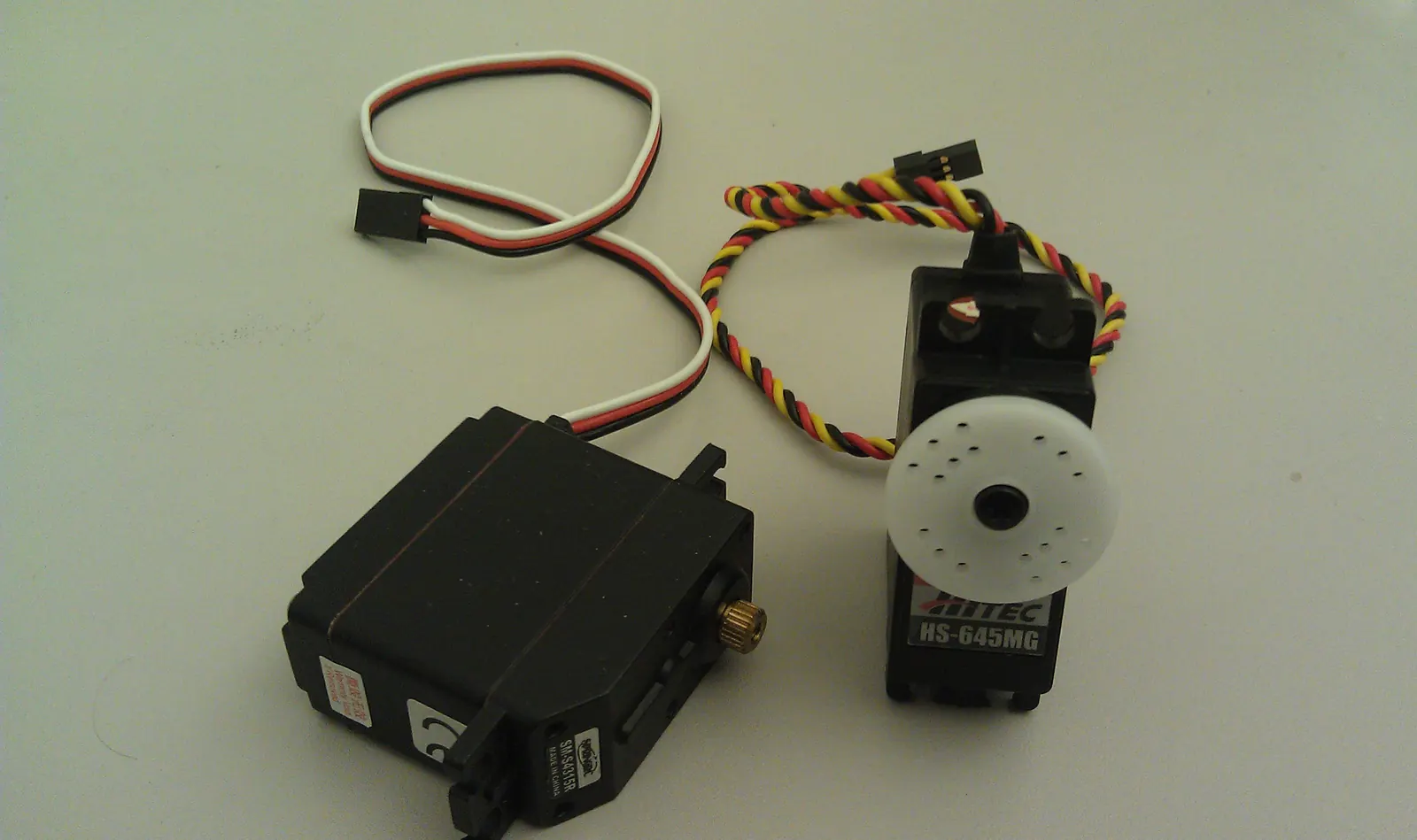
A servo is the small motor-and-electronics package that turns commands from your transmitter into movement: it steers an RC car, moves a plane’s ailerons and rudder, or works the throttle on a nitro car. A good servo makes the car turn precisely and always return to center.
How a servo works
Inside the case there’s a small motor, a gear train and a potentiometer that measures the output shaft’s position. The receiver sends a signal with the desired position, and the servo’s electronics drive the motor until it gets there, then hold it, even when the wheels or the control surface push back.
Which specs to look at
- Torque (kg·cm or oz-in): how much force it can exert. The heavier the model and the bigger the tires, the more torque you need.
- Speed (sec/60°): how long it takes to rotate 60 degrees. Fewer seconds means faster response.
- Voltage: standard servos run at about 4.8–6 V; HV (high-voltage) servos accept higher voltages and deliver more torque and speed when powered at their rated voltage.
- Gears: plastic (light, more fragile) or metal (better at taking hits to the wheels).
- Analog or digital: digital servos correct their position more often, are more precise and hold with more force, at the cost of higher current draw.
- Size: standard in most 1/10 and 1/8 cars; mini and micro in small models and light planes.
- Water resistance, if you’re going to drive through mud or puddles.
Which servo to choose for your model
- 1/10 entry-level car: a standard servo with metal gears is a good upgrade over the stock one.
- Crawler: lots of torque and metal gears, because the steering works against rocks and with big tires. See RC crawlers.
- 1/8 buggies, truggies and monster trucks: high torque and speed to steer heavy wheels at high speed.
- Touring cars and drift cars: speed and precision matter more than torque. See RC drift cars.
- Planes: lightweight servos (micro or mini) for ailerons and rudders; the torque you need depends on the size of the control surfaces.
Available on Amazon
You can compare high-torque metal-gear RC servos and digital servos for RC cars on Amazon.
- High-torque metal-gear RC servosCheck price
- Digital servos for RC carsCheck price
How to install and center a servo
- Plug the servo into the receiver on the steering channel (usually channel 1 on pistol-grip transmitters).
- Turn on the transmitter and receiver with the steering trim centered: the servo will move to its center position.
- Mount the servo horn as close to perpendicular to the steering link as possible, without forcing it.
- Set the end points on the transmitter so the servo doesn’t strain against the stops: if it buzzes at full lock, reduce the travel.
- Use a servo saver if your car has one: it protects the servo gears in crashes.
Frequently asked questions
How much torque does my RC car's servo need?
It depends on the car's weight, the size of the tires and the terrain. A 1/10 entry-level car works fine with standard servos, while a crawler or a 1/8 car benefits from high-torque servos. Check the manual and choose with some headroom.
Is a digital or an analog servo better?
Digital servos respond faster and hold their position better, but they draw more current. They're usually the better choice for racing or crawlers; for an entry-level car, a quality analog servo is enough.
Can I plug a high-voltage (HV) servo into my receiver?
Only if the ESC's BEC or an external power source supplies the voltage it's designed for and the receiver can handle it. Check the specs of the servo, the receiver and the ESC.
Related guides
RC cars
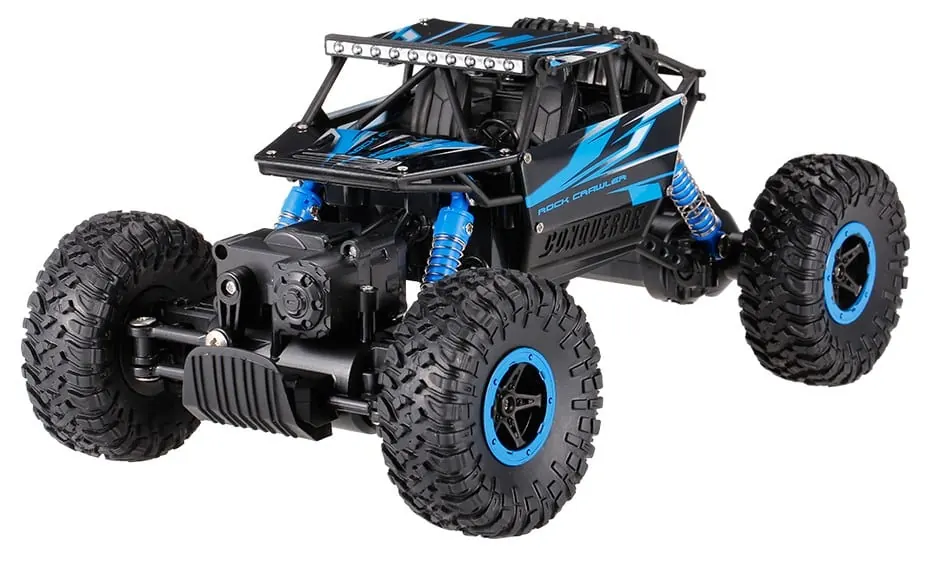
RC Crawlers: Rock-Climbing RC Trucks
If you want to conquer any obstacle-packed terrain that comes your way, an RC crawler is the ideal RC vehicle for you.
6 min read
RC cars
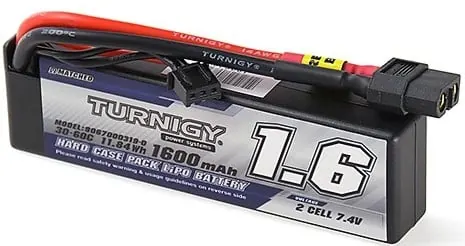
RC LiPo Batteries: How to Choose, Charge and Care for Them
What the cell count (S), mAh and C rating on a LiPo battery mean, how to choose one for your RC car, plane or boat, and how to charge it, store it and tell when it's damaged.
4 min read
RC cars
How Long Does an RC Car Battery Last?
Find out how long you can enjoy your RC car before you need to recharge the battery, so the fun doesn't stop early.
4 min read
RC cars
How Long Does It Take to Charge an RC Car Battery?
Find out how long it takes to charge your RC car's battery and get back in action in no time.
4 min read