RC aircraft
The Best Materials for Your RC Planes, So You Can Fly Like a Pro
Discover the best materials for building your RC planes and take to the sky in style. Don't miss it!
3 min read
RC planes and helicopters
RC aircraft for beginners and hobbyists: types of RC planes (trainers, electric, gas, jets, gliders and aerobatic), RC helicopters, transmitters, ARF kit assembly and flight simulators.
Explore by topic
RC aircraft
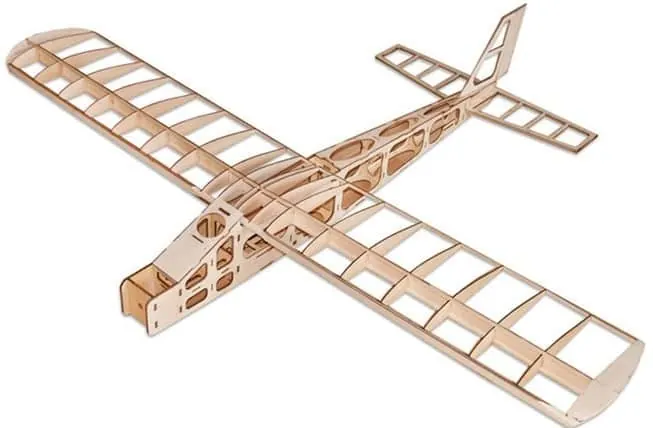
Discover the best materials for building your RC planes and take to the sky in style. Don't miss it!
3 min read
RC aircraft
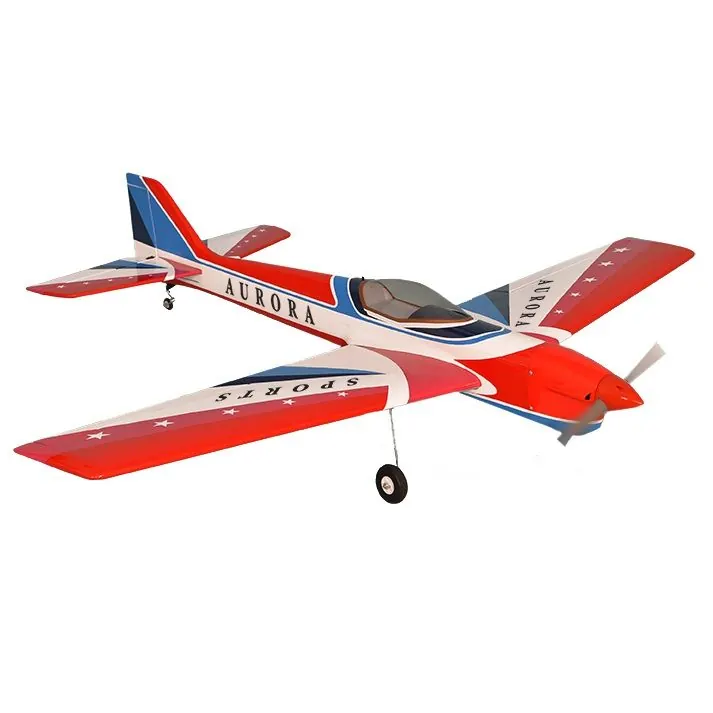
Simple planes that are very easy to fly and ideal for beginners. That's why we're showing you the cheap RC planes on the market.
2 min read
RC aircraft
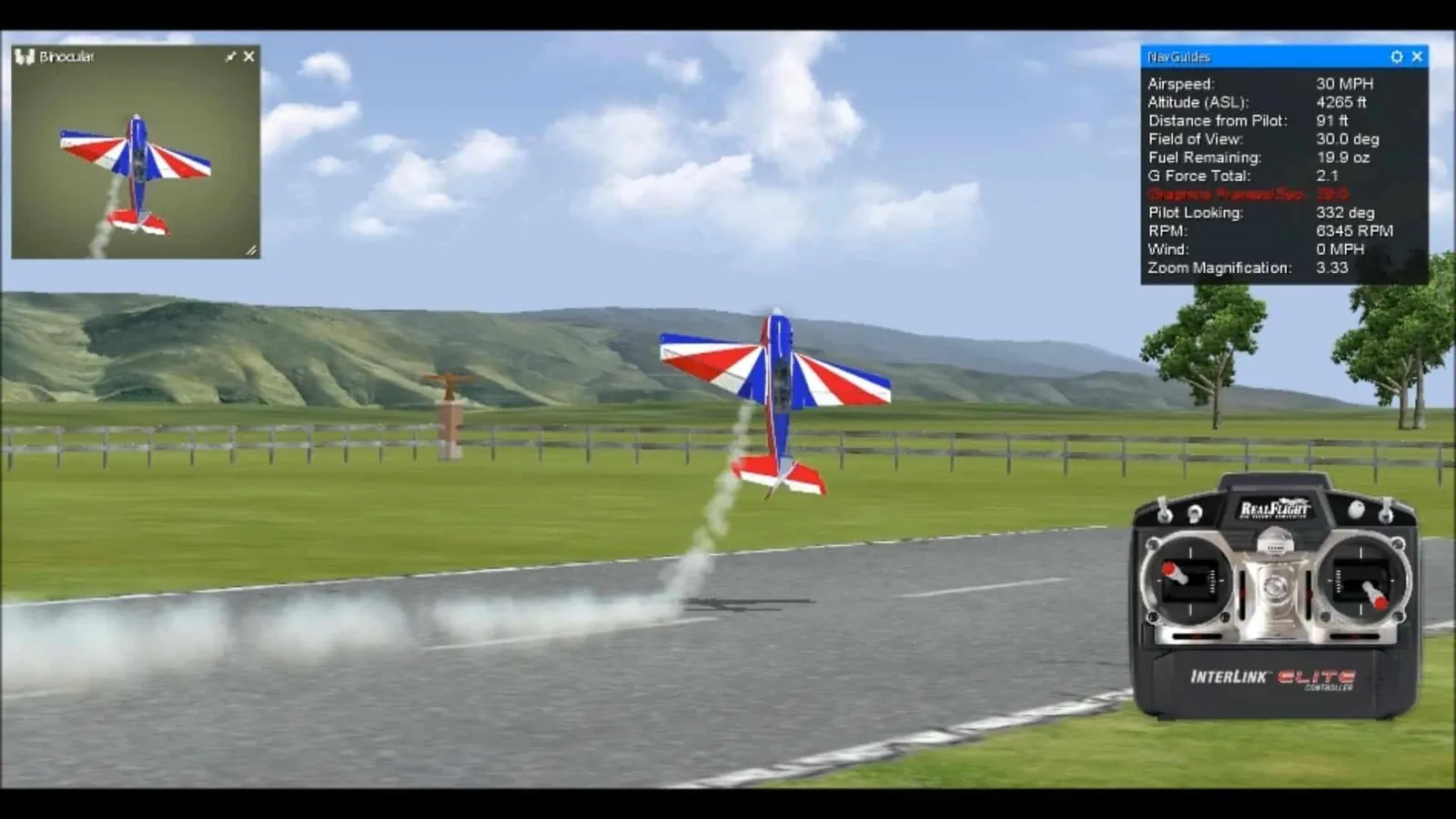
Here are the RC flight simulators you can choose from to start flying at home, without having to crash a real model.
3 min read
RC aircraft
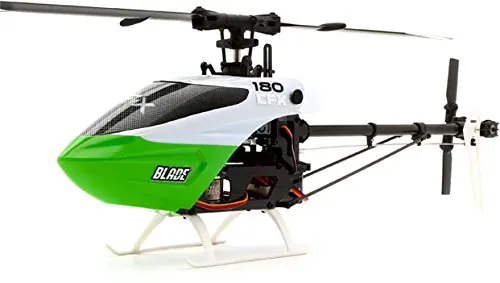
These electric RC helicopters are a great fit for beginners and experienced hobbyists alike.
3 min read
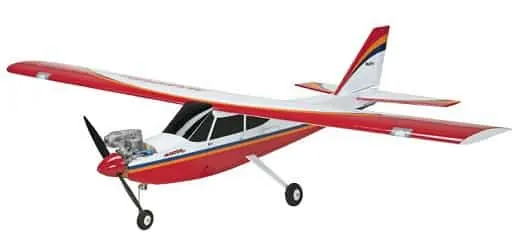
RC aircraft
We explain how a gas RC plane works, which one to choose and how to start flying one.
3 min read
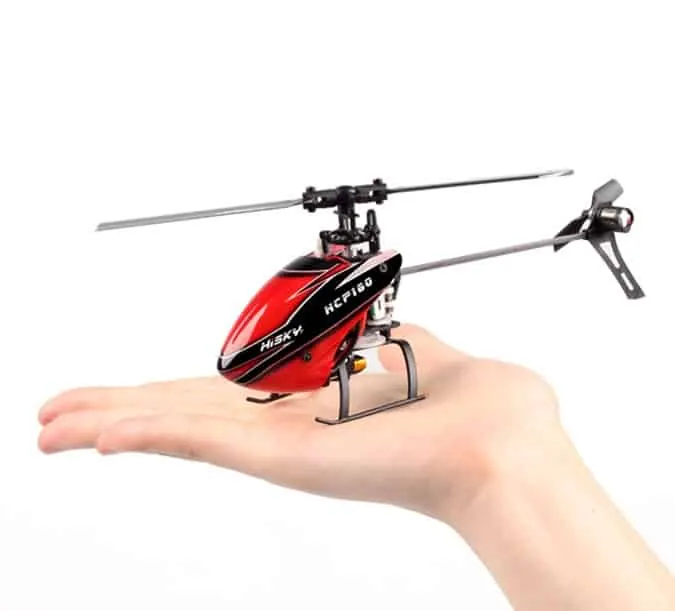
RC aircraft
If you're looking for the perfect gift for a child, a mini RC helicopter is a great choice that can be flown almost anywhere.
3 min read
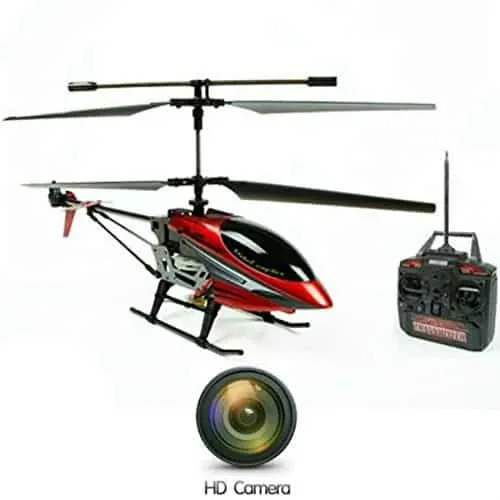
RC aircraft
If you want to add some extra fun to flying helicopters, you should definitely think about getting an RC helicopter with a camera.
2 min read

RC aircraft
Give your kids the thrill of flight with an amazing RC plane! The perfect gift to spark their imagination and have a blast.
2 min read

RC aircraft
We'll show you some of the most interesting foam plane models. You don't need any experience to fly them.
3 min read
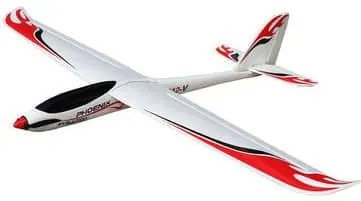
RC aircraft
If you want a unique flying experience, RC gliders are the way to go: they use nothing but the air around them to stay aloft.
2 min read
RC aircraft
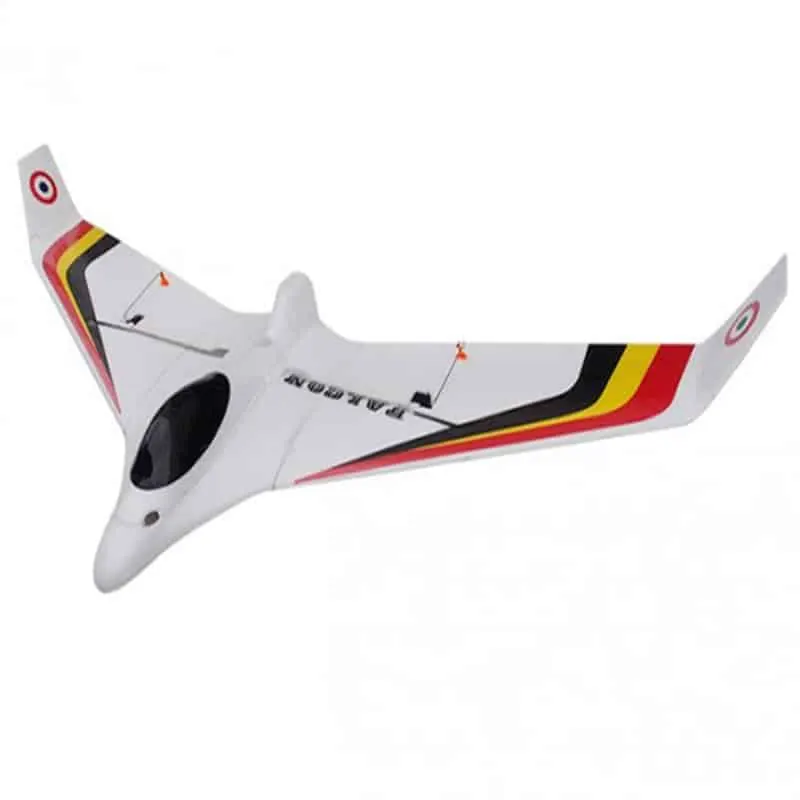
An RC flying wing gives you a super simple model that still delivers hours and hours of guaranteed fun.
2 min read
RC aircraft
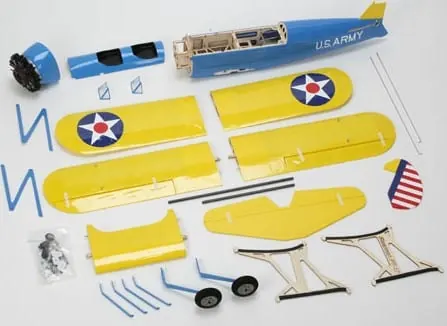
A new RC plane arriving is always exciting. Here you'll find some useful tips for assembling an RC plane kit.
5 min read
If you’re looking for everything there is to know about RC aircraft, you’ve come to the right place. Here we cover every part of this RC hobby, section by section.
Start by picking the topic that interests you most below.
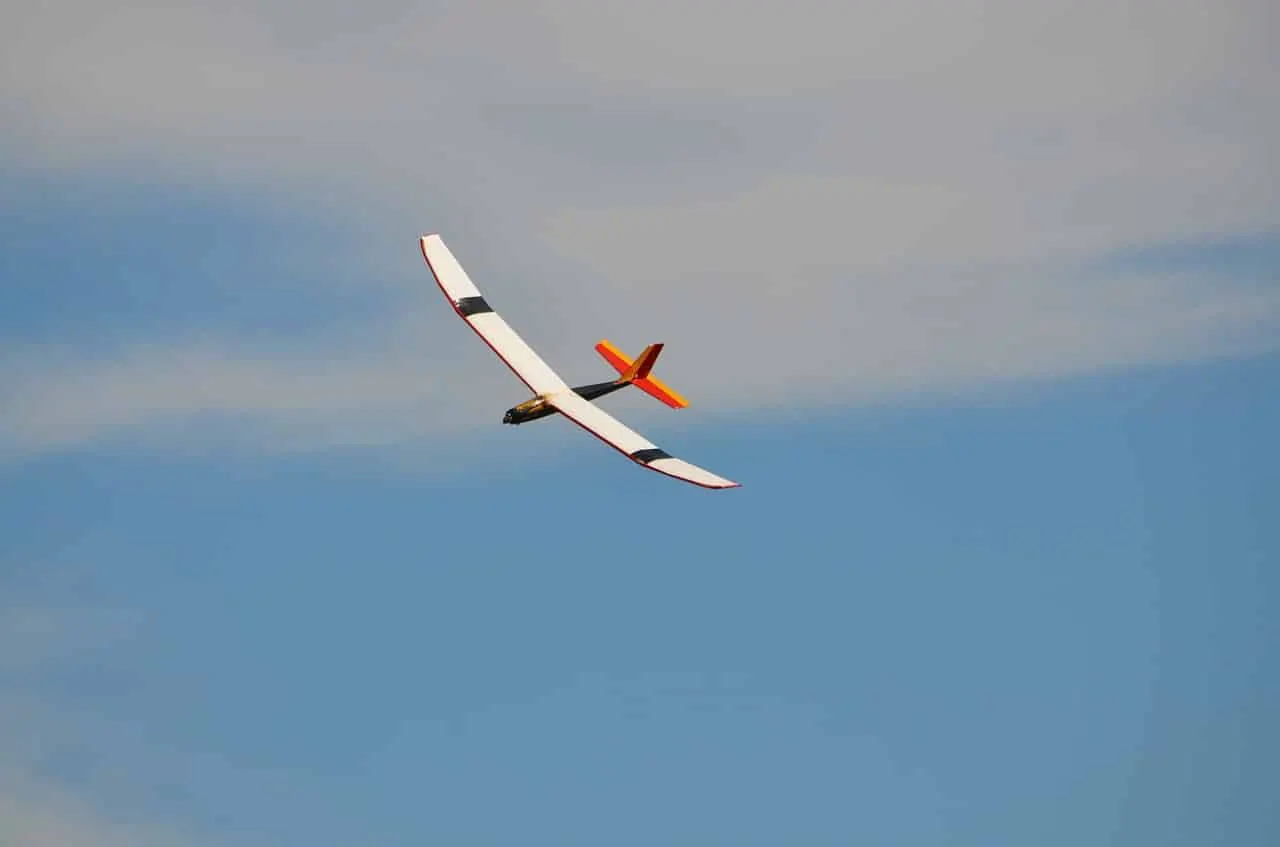
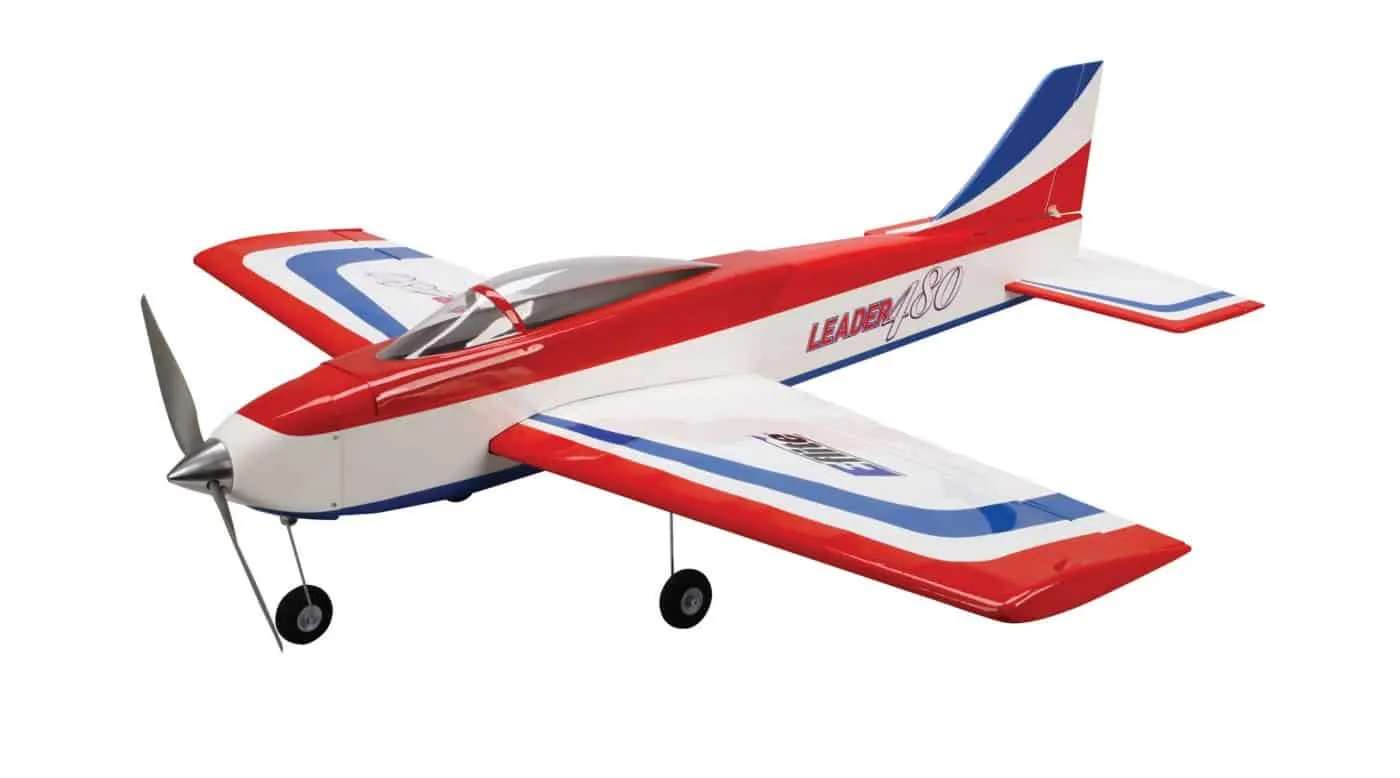
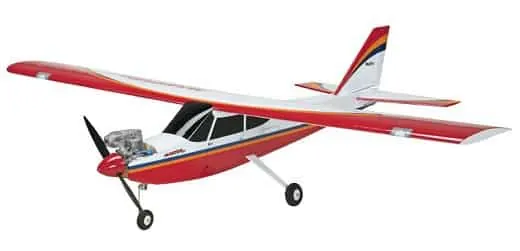
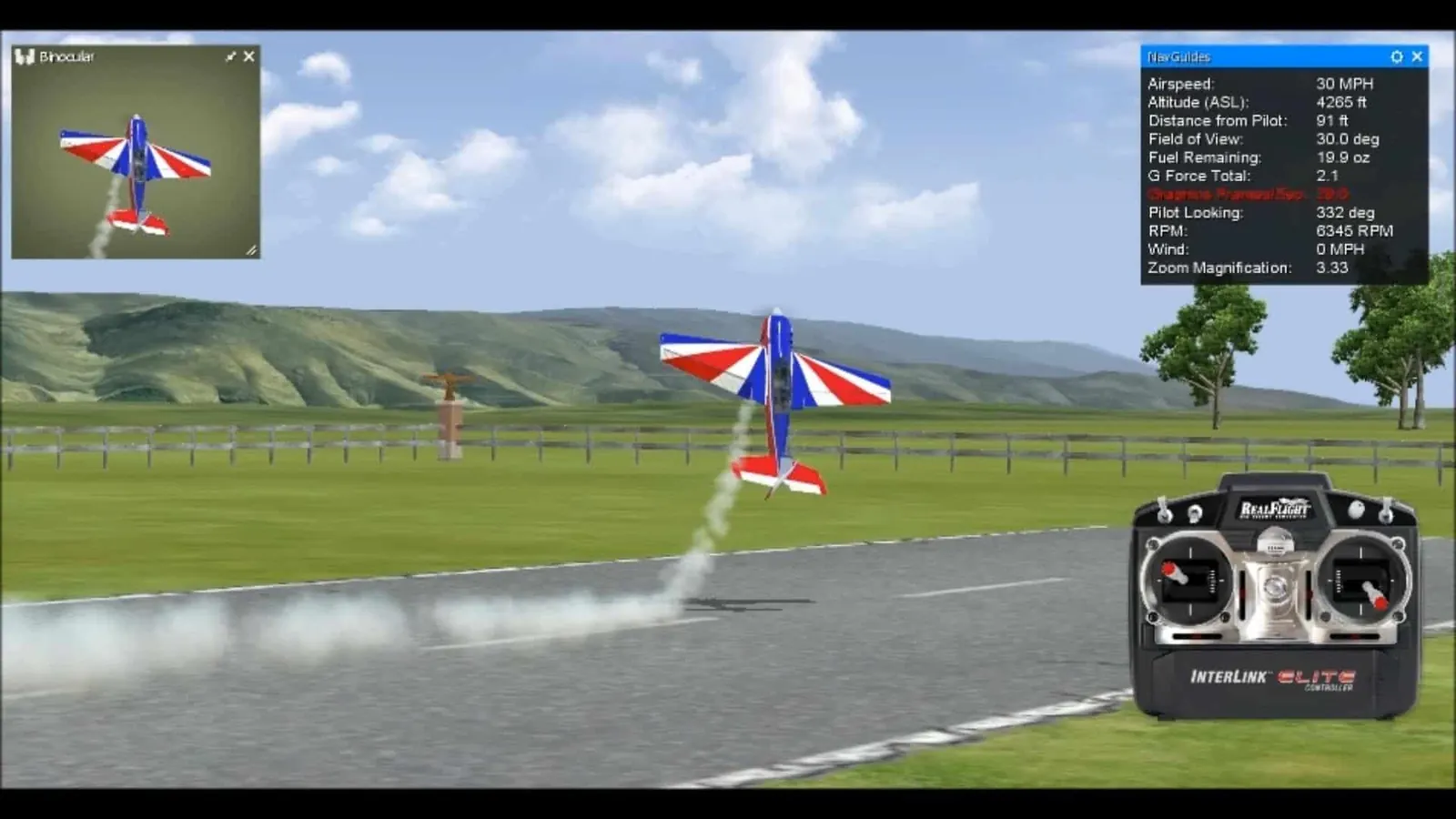
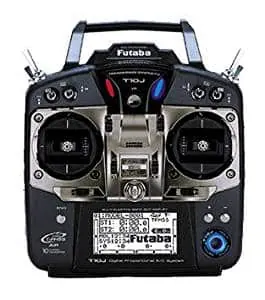
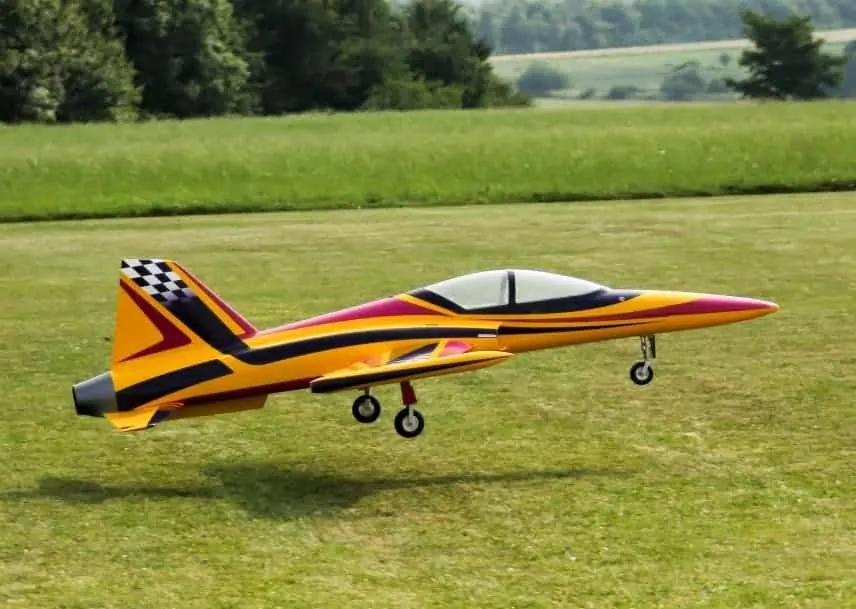
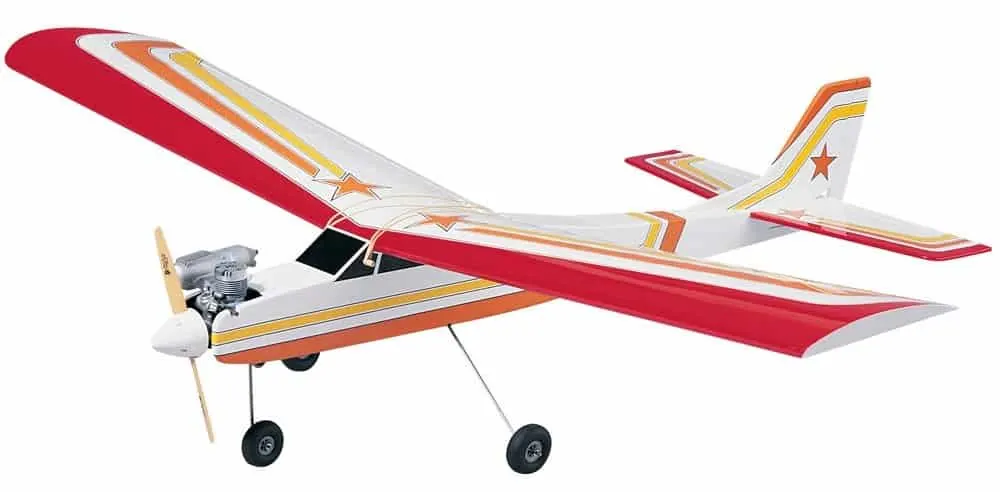
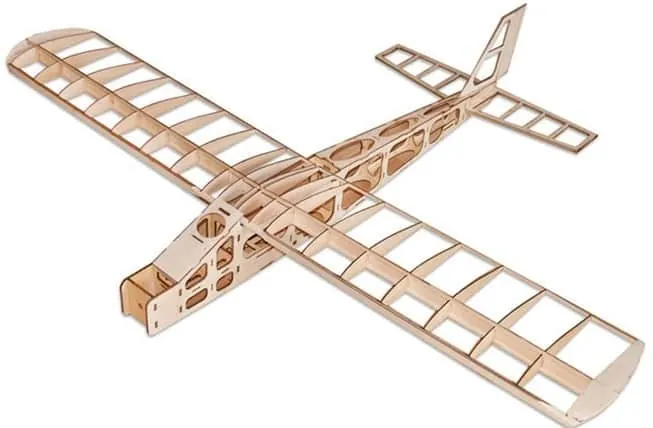
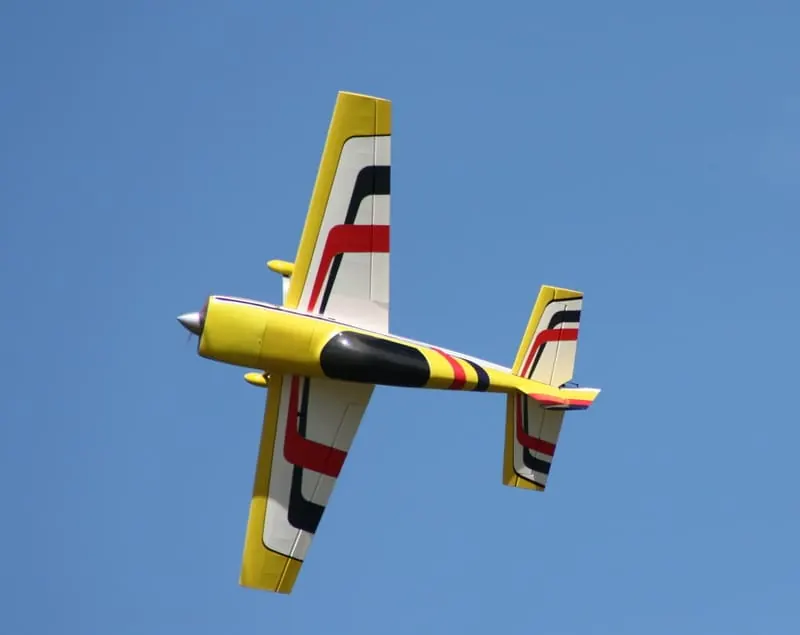
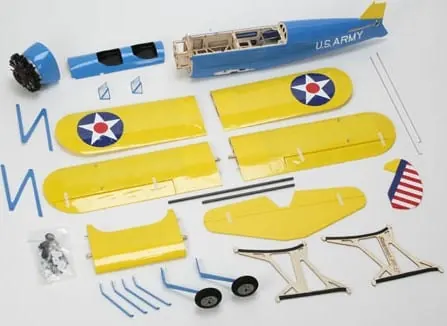
The official definition says that model aviation is a sport that grew out of the technique of building and flying small airplanes (model aircraft) designed to fly without a crew.
The FAI (Fédération Aéronautique Internationale) has recognized it as a branch of sport aviation since 1936, when it published an international sporting code for it.
There are many kinds of model aircraft, but here we only cover the ones flown remotely with a radio control system.
Within this group you’ll find scale and semi-scale RC models (depending on how closely they match the scale and look of the full-size aircraft).
There are also helicopters and other flying models, all controlled by radio signals sent to a receiver installed inside each model.
First, let’s look at the parts you’ll find on almost every type of RC plane.
For your aircraft to work properly, it needs a set of interconnected parts. The list below covers the components found in the vast majority of radio-controlled flying models.
This is your link to the aircraft. Never skimp on your radio. If it fails, you could crash or hurt someone.
RC transmitters come with two or more channels. Most RC planes use 4 channels: rudder, ailerons, throttle and elevator.
Virtually all new RC transmitters bind to their receivers on the 2.4 GHz band. On this band you won’t have interference problems with other radios around you.
On gas RC planes, the receiver is powered by its own rechargeable battery. On an electric plane, it can run off the main flight battery, the same one that drives the propeller.
Receivers usually run on 4.6 to 6 volts.
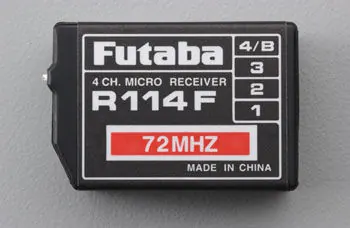
If you plan to own more than one plane, it’s also a good idea to get an extra receiver compatible with your transmitter, so you can fly several planes with a single radio.
That’s what most pilots do: they have one programmable RC transmitter with five or six model memories and switch between them.
The throttle controls the motor or engine speed and, therefore, how fast or slowly the propeller spins.
In the air, throttle doesn’t just control the plane’s forward speed; more importantly, it controls the rate of climb and descent, because the wing produces different amounts of lift at different speeds.
Using the throttle is the correct way to fly your RC plane, but many pilots use the elevator to control altitude and climb and descent rates instead of engine speed.
On an engine with a glow plug (or a gas engine), the throttle works just like the throttle of any internal combustion engine, by changing the amount of fuel and air that enters the combustion chamber.
The carburetor is operated by a single servo connected to the venturi, which opens and closes (changing the fuel/air mixture) in response to the throttle movements on the transmitter.
On an electric RC plane, the throttle is usually called motor power.
Very basic electric RC planes may not have proportional motor control, just an on/off switch.
Models that do have proportional motor control use an electronic speed control, or ESC, which sets the motor power in direct response to the movements of your RC transmitter.
The elevators are the hinged section of the tailplane, or horizontal stabilizer, at the back of the plane, and they are the most important control surface.
The elevators control the plane’s pitch attitude, in other words, whether the nose of the plane points up or down.
When the elevators are deflected up, the nose of the plane is forced to point up; with the elevators deflected down, the nose is forced down.
The rudder is the hinged section of the fin, or vertical stabilizer, at the back of the plane.
It’s used for directional control by changing which way the plane is pointing, and it works the way you’d expect: move the rudder to the left and the plane turns left, and vice versa.
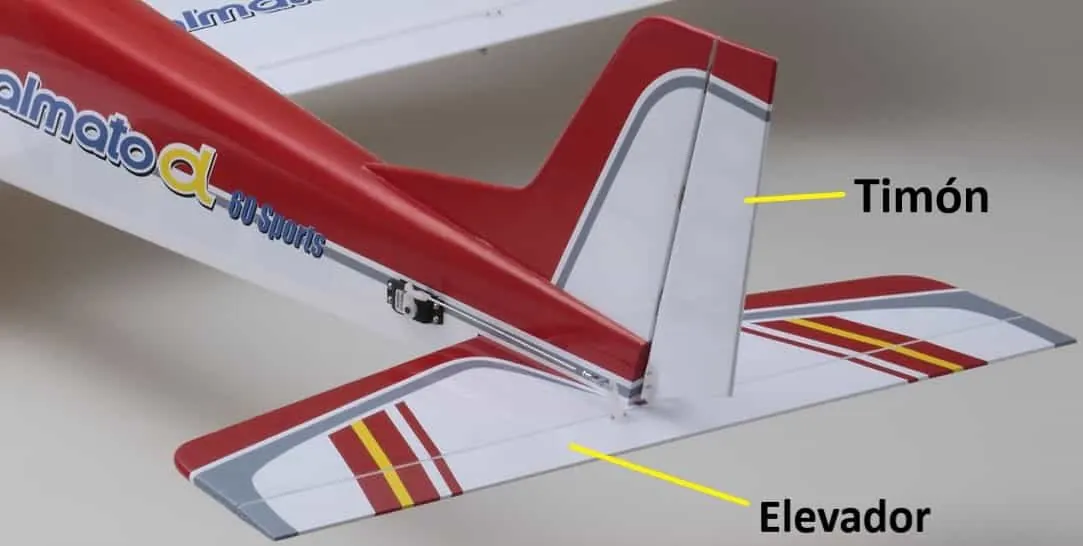
Moving the rudder makes the nose of the plane point left or right, but the rudder on its own doesn’t make the plane roll the way the ailerons do.
The rudder is also very important on the ground, because it’s the only control that keeps your RC plane straight during the takeoff or landing roll.
A servo is a powerful geared electric motor used to move the control surfaces, rudder and throttle of an RC plane. Servos come in several sizes and are rated by how much torque they deliver. They connect to the receiver with a three-wire lead.
They are proportional, which means if you move the transmitter stick just a fraction of an inch, the servo moves by the same amount.
This setup provides the movement for every part of your plane, from the throttle to the rudder.
As with the radio, go for good brands and test them for several minutes before installing them. If they fail during this test, return them right away for new ones. Once you have the new servos, run the tests again.
Most gas-powered RC planes use standard-size servos, while electric planes use micro or nano servos that weigh only a few grams.
The direction you move the controls is the same for every RC plane you try to fly, so you don’t have to learn new movements every time you switch planes.
This section is an introduction to help you choose the RC aircraft you like best. We’ve included links to the articles where we cover each of these types of radio-controlled aircraft in more detail.
These are probably the best-known and most widely flown aircraft in the hobby. They come in different sizes and performance levels, with models for everyone, so you won’t have trouble finding the one that suits you best.
They can be powered by electric motors, gas engines or turbines. Pick the one that appeals to you most; each has a different level of difficulty.
Like RC planes, scale RC helicopters are very popular with remote-control vehicle fans.
They also come with different power options, so you won’t have trouble finding the one that interests you most and suits you best.
The most traditional build for this type of radio-controlled plane is the ARF version, which comes almost ready to fly. When you assemble your new RC plane, you only have to install the radio gear and the motor or engine of your choice.
These planes are built from balsa wood or polystyrene foam, and they’re very easy to find at the entry level, for example among trainer planes for beginners.
It’s also easy to find plastic RC planes, which are ideal for young kids and are among the simplest models you can find.
Inside the airframe you can find electric motors as well as gas or nitro engines, depending on your preference.
Welcome back to this section. We hope you enjoyed this introduction and that you’ll keep exploring the other categories on our site.