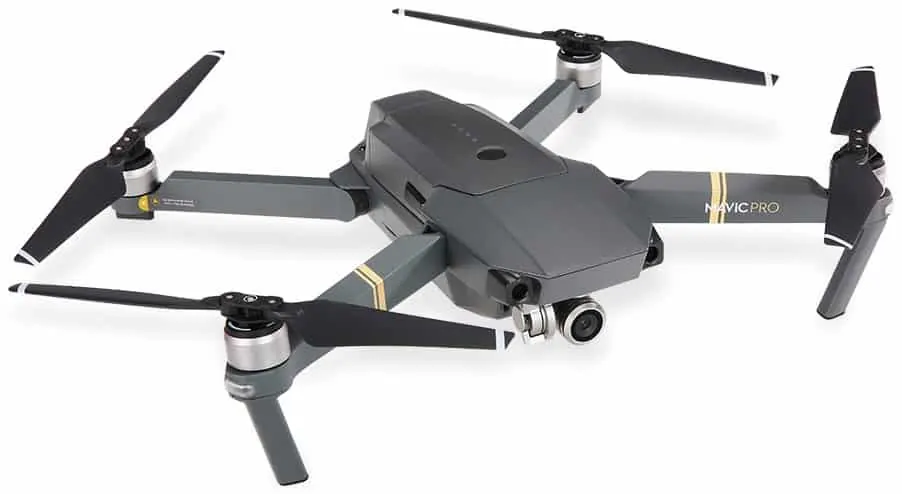
Drones
Drones vs RC Helicopters: Which One Should I Choose?
The battle of the century: drones vs RC helicopters. Who wins? Come in and find out which one is the best option for you!
6 min read
Learn to fly and pick your drone
Drone guides: what a UAV is, how to fly a drone step by step, US drone rules, hexacopters, drones vs RC helicopters and models to start with.
Explore by topic
Drones
The battle of the century: drones vs RC helicopters. Who wins? Come in and find out which one is the best option for you!
6 min read
Drones
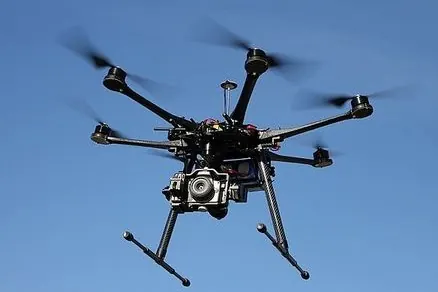
Here's everything you need to know about 6-rotor drones and their pros and cons compared with classic four-rotor drones.
2 min read
Drones
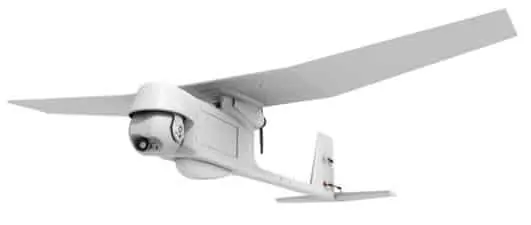
A UAV is an unmanned aerial vehicle: an aircraft with no one on board that can be flown remotely or fly autonomously.
3 min read
Drones
▶️ If you want to get started with drones, the Tarantula drone may be the one that best fits your needs. Find out more here.
3 min read
Drones
Here's how to fly a drone like a pro: everything you need to know to master the techniques of flying your quadcopter.
17 min read
Drones
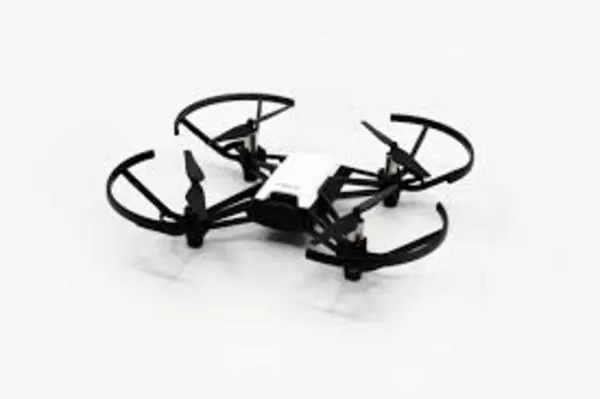
Meet the Tello drone, built with DJI technology. It's an entry-level model, but it offers great specs that we'll go through here.
3 min read
If you came to this section looking for the most complete information and news about drones, you’re in the right place. In this category we offer all of that and much more.
You’re probably wondering what drones are made of or what they’re used for, or even how to get more out of one if you already own it.
Pick the article that interests you most and start exploring the fascinating world of quadcopters.
The word “drone” has entered the modern vocabulary to refer to a range of unmanned aerial vehicles that are flown autonomously or by remote control. Despite their recent rise in popularity, the technology behind a drone isn’t really anything new.
The radio control system used on drones is no different from the ones used by the RC cars and planes that became popular in the late ’70s and early ’80s. Technically, those old RC cars and planes could also be classed as drones, on the grounds that they’re unmanned vehicles.
Battery, motor and camera technology has improved dramatically in recent years, which has led to a rise in their popularity. Prices for a quality drone have also come down, so it’s now a much cheaper hobby.
Today, the word drone refers almost exclusively to unmanned aerial vehicles (UAVs) equipped with some kind of image or video capture technology. UAVs used for military purposes are usually more specialized, with capabilities for preprogrammed navigation and payload delivery. The unmanned aircraft flown by hobbyists are mostly quadcopters, which we’ll focus on for the rest of this article.
Drones are also called quadcopters, which are helicopters driven by four rotors. The vertical thrust from multiple rotors gives quadcopters the ability to hold a single position, which makes them the perfect type of drone for aerial photography.
This is in contrast to fixed-wing RC planes, which rely on forward airspeed to generate lift, so they have to keep moving to stay in the air.
Ease of control and the relative simplicity of building a quadcopter or drone have made them more popular than conventional RC planes and helicopters.
Drones are usually made from lightweight composite materials, which reduces the power needed to fly and increases maneuverability.
Whether for personal or commercial use, most drones carry a wide range of onboard equipment, such as cameras, global positioning systems (GPS), video transmitters and other specialized sensors.
With technology improving so quickly, it seems we’re still far from fully exploring the flight potential of these vehicles.
To fully understand how drones work, we first need to understand how they’re built and the essential components that go into them. The basic components of a drone are the following:
As we mentioned, the frame is usually made of a strong but lightweight composite material, such as plastic (on cheap models), fiberglass or carbon fiber (on more expensive models), but low-density metals such as aluminum and titanium are also used.
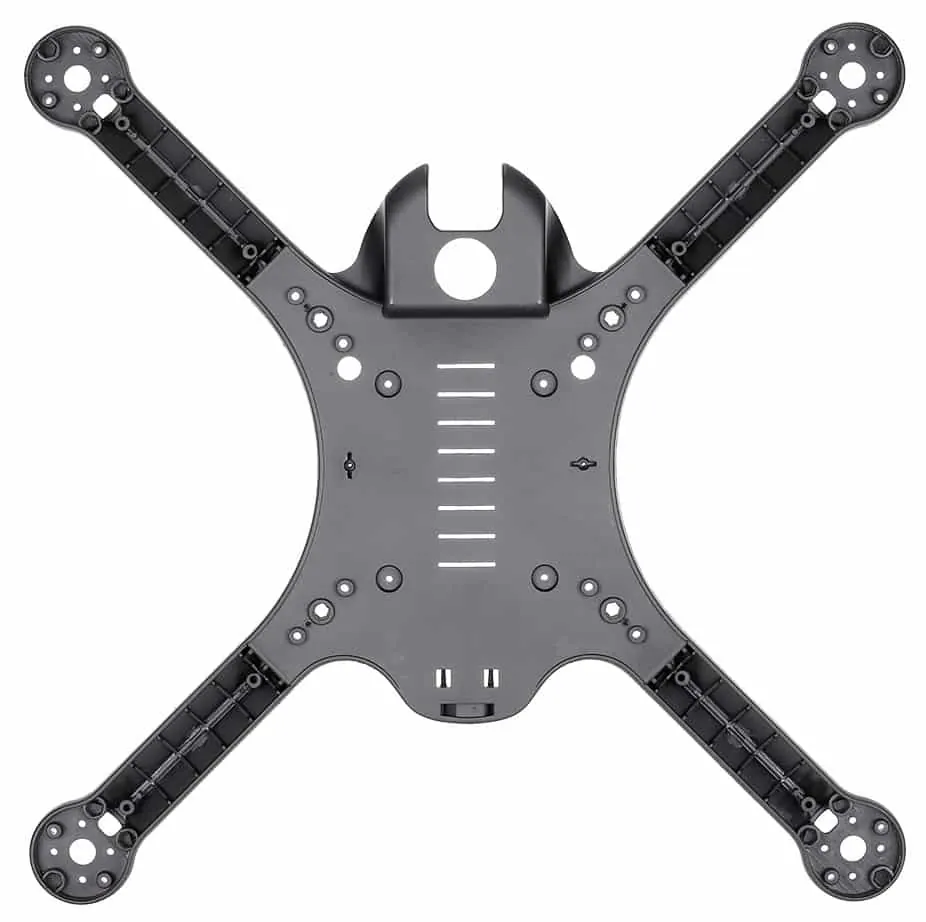
The frame provides the central hub that houses the drone’s electronics. Almost every quadcopter frame has a central hub with arms extending outward, and the rotors are mounted on those arms.
The frame should provide waterproof housing for the motor. Some models also build rotor guards into the frame, which protect the rotors from damage and also make the drone safer for the person flying it.
The propellers are responsible for every aspect of the drone’s movement, whether it’s hovering, turning, tilting or moving forward and backward.
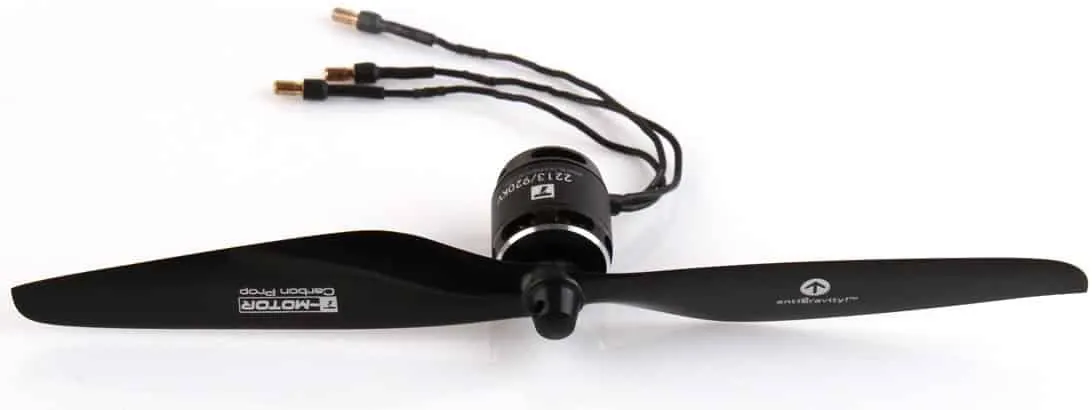
Besides providing vertical lift, varying the rotation speed of the individual rotors lets the drone perform very fine, responsive maneuvers.
Most drone propellers are made of plastic, while more expensive models have carbon fiber propellers.
The motor provides the rotational power for the rotors. Many drones use brushless motors, which are more efficient than brushed motors because less energy is lost to friction between the brushes and the motor’s commutator.
That higher efficiency is very important for saving battery, so it gives you longer flight times.
The battery that powers the rotors and the other onboard electronics in a drone is usually a lithium polymer type.
“LiPo” batteries are known for being small and light, with high energy density and a high discharge rate (power).
They can be fairly tricky to handle and store compared with more conventional batteries, but LiPo batteries have characteristics that make them uniquely suited to flying drones.
The most widely used and most popular camera brand in drone photography is definitely GoPro, which makes compact, high-definition cameras with a range of special features (for example, fisheye, wide angle and so on).
Even a very good camera is worthless without a mechanism to stabilize the image, because cameras mounted on drones are exposed to a lot of extra movement and vibration.
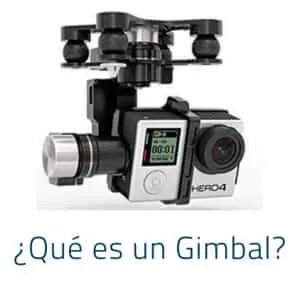
Gimbals have dampers that cancel out the effect of vibrations when you take photos or video, preventing problems such as the jello effect and rolling shutter distortion.
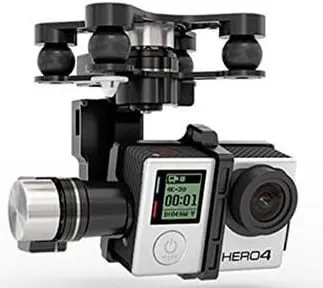
These gimbals also provide the mechanism that lets the camera rotate in three dimensions.
This controller (ESC) controls the speed and direction of the motor. It allows smoother changes in motor speed, which is crucial for flying your drone.
Most drone models include a GPS receiver that can provide information on position, altitude and compass heading.
This allows safer and more precise flying, and it also lets the pilot set a fail-safe home point that the drone will return to if it ever loses radio contact.
GPS modules are absolutely necessary for setting waypoints if you want autonomous drone flight.
The receiver works with the transmitter to interpret the drone pilot’s flight commands.
It’s often just a standard radio receiver with 4 or 5 channels.
The flight controller brings together all the inputs from the receiver, the ESCs, the GPS module, the battery monitor and any other onboard sensors.
It acts as the drone’s central “brain,” issuing commands to regulate motor speed, vary the rotor speeds to navigate, trigger the cameras, start autopilot navigation to waypoints and activate safety measures.
Depending on the model, a drone can have retractable or fixed landing gear. Landing gear can help protect the sensitive electronics on board the drone, and it may be needed on models that carry hanging payloads.
Retractable landing gear is the most popular choice, since it won’t get in the way of photos and videos taken while the drone is in the air. Some models can land perfectly well on their bodies and don’t have landing gear at all.
Depending on its purpose, a drone can carry many optional sensors. Besides cameras, drones can be fitted with a range of laser or thermal sensors to gather different kinds of information. We’ll look at how these specialized remote sensing techniques are used further on.
Beyond hobbyists who fly unmanned aircraft for fun and to capture aerial photos and video, drones have been used for many purposes, including military, commercial and industrial ones.
Here’s a list of some of the jobs these quadcopters and other drones can do.
Unmanned aircraft can be used for military purposes in cases where sending a manned aircraft is considered unsafe or impractical.
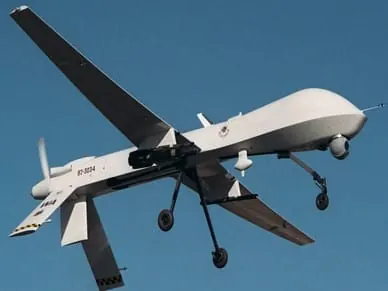
Military drones became widely known when the U.S. military used them extensively for reconnaissance missions and to deliver armed payloads in places such as Afghanistan and Pakistan during the so-called “War on Terror.”
Unmanned aircraft have also been used for crowd control with non-lethal weapons such as tear gas or sound cannons.
Large logistics companies such as Amazon and DHL have started using drones to deliver their products. These delivery drones are fitted with a gripper and can drop items remotely in a chosen target area.
Using drones for delivery can greatly speed up shipping and save on overhead and operating costs.
Drone footage has become a low-cost way to capture aerial shots for professional and amateur films. Major news outlets have also used unmanned aircraft to capture images of events where an aerial view is very useful, such as mass protests, floods and armed conflicts.
A competitive sport has grown up in which drones race along a set course. These drone races can be held indoors or outdoors, and they put special emphasis on obstacles that require advanced maneuvers.
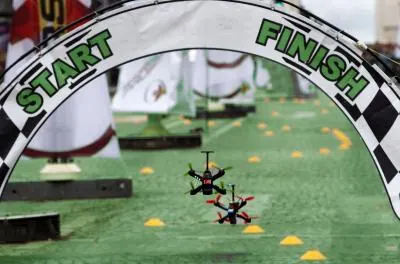
Most competition drones are built by their pilots, with careful attention to speed, weight and agility.
Getting overviews and images of buildings and construction sites is probably the biggest commercial use of drones today.
With drones, people no longer need to do the dangerous work of climbing buildings to carry out inspections.
A quadcopter can take high-definition photos of buildings and structures so precise that the images can be used to generate 3D models.
Besides casual enthusiasts, drone photography has also been used by professionals to generate 3D terrain models of areas that would otherwise be inaccessible.
Mapping with Light Detection and Ranging (LiDAR) technology produces a topographic model or digital elevation model (DEM) from range values generated by a laser pulse detector mounted on a drone. Compared with satellite imagery, the material captured by drones provides aerial images and topographic models with much higher resolution.
There have been several stories of search and rescue missions carried out with the help of drone footage. UAVs provide quick reconnaissance of inaccessible areas, especially in disasters such as floods and earthquakes. Compared with human search and rescue teams, a drone doesn’t get tired and doesn’t get lost.
Drones are especially well suited to collecting atmospheric data in the air. Global Hawk, the drone NASA uses to study hurricane activity, has gathered valuable atmospheric information through aerial imagery.
High-definition images captured by a drone can be used to assess the extent of erosion in hazard-prone or coastal areas.
Drones have also been used to protect wildlife by monitoring animals’ natural habitats and detecting poachers with thermal imaging.
In this list we include the most important drone brands on the market right now. These companies serve different markets, which we also explain below.
This will definitely help you when buying a drone, by first defining what you expect from it.
New models hit the market every day, which we consumers appreciate, given how much choice we have when picking our next drone.
DJI is without a doubt the dominant brand in the drone market, especially the content creation market. Thanks to the demand for social media content, the company has grown exponentially.
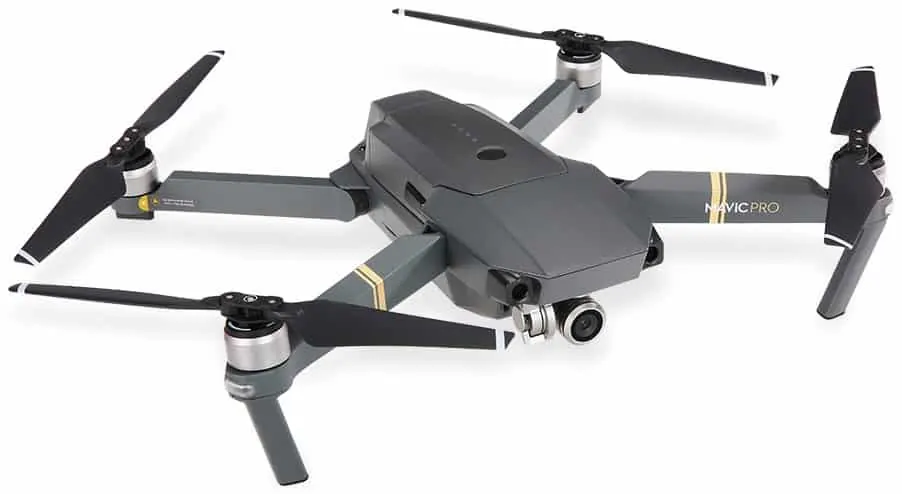
Its main strength is its cameras, which can capture high-resolution photos and video.
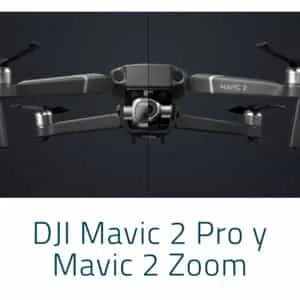
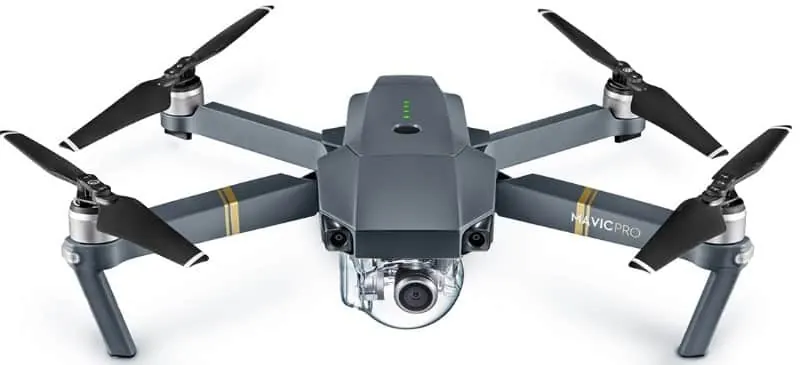
The brand followed its already successful DJI Mavic Pro with two new models, the Mavic 2 Pro and the Mavic 2 Zoom.
These drones also include many sensors around the airframe, which make them easier to fly and control, so you can focus on creating content rather than on not crashing your drone into a tree or another obstacle.
Parrot is the company hot on DJI’s heels, also making high-quality drones for content creation. Consumers definitely benefit from the strong competition in this segment, getting better products at ever lower prices.
Parrot offers several models to choose from, but the most popular is the Parrot Anafi, with a 21 MP camera that can record 4K HDR video. What sets this drone apart from its competitors is that its gimbal can tilt the camera through 180°.
GoPro’s drone, called the Karma, lets you upgrade the camera by fitting your latest GoPro. It uses very good, highly durable materials, just like the company’s action cameras.
It did draw heavy criticism, though, because on the early units the motors lost power and there were many crashes as a result.
In 2018 the company announced that it would stop making this drone for the time being, since it had a rocky start and never got a chance to establish itself in a market dominated by DJI.
The Chinese company is betting on drones, just as it’s doing in other sectors unrelated to mobile phones. Several models are available, but the most popular is the Xiaomi Mi Drone, which looks a lot like DJI’s Phantom drone.
For now, Xiaomi only offers a few models, but we’ll see whether it brings anything new to market.
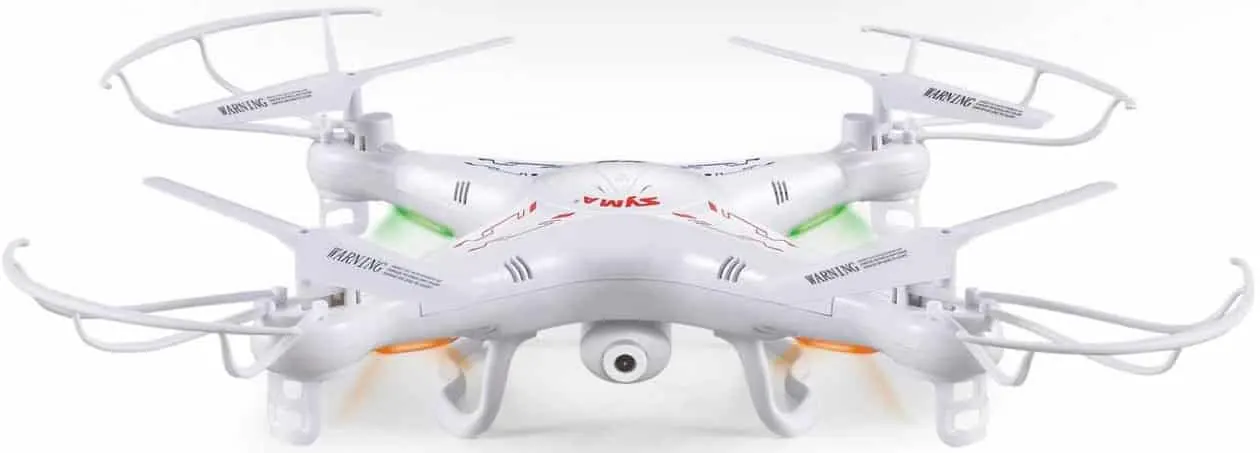
The Syma X5C drone definitely became famous among enthusiasts getting into the hobby. It’s the perfect quadcopter for learning to fly a drone. At the very least, it has all the features you look for when you start flying.
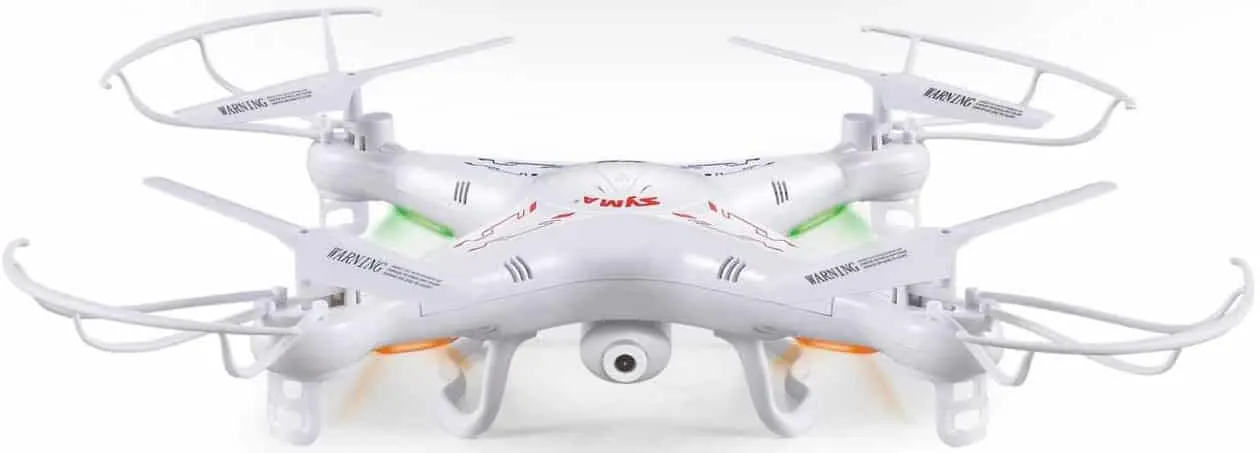
It’s cheap and tough, it has all the basic functions you need to practice, and it handles the crashes that always happen when you’re starting out pretty well.
After a few hours of practice, you’ll probably be ready to step up and try more complex maneuvers.
This is one of the hardest questions to answer. With the huge variety of drone models available today, there’s something for every type of user, from toy-like models that cost around $10 up to professional drones costing more than $1,000.

So when you’re buying a new drone, you really need to look at your budget and what you’ll use the quadcopter for, and start your search from there.
It’s also worth adding that extended warranties are available for more expensive or premium-brand drones, which you can buy for some extra protection in case of collisions or accidents.