Hexacopters: 6-Rotor Drones
Here's everything you need to know about 6-rotor drones and their pros and cons compared with classic four-rotor drones.
By Elite Radio Control teamUpdated 2 min read
Part of the guide: Drones
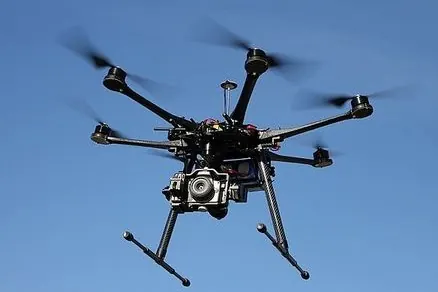
Hexacopters: drones with 6 rotors
The name hexacopter refers to the number of rotors a drone has, in this case six: two more than a quadcopter. That’s why they’re also called 6-rotor drones.
The extra rotors give these machines more power than regular drones, which lets them carry a bigger payload and climb higher.
6-rotor drones are especially well suited to high-quality video work, because they can carry a large camera.
6-rotor drones vs quadcopters
Here’s a quick rundown of the differences between a 6-rotor drone and a 4-rotor one, so you can tell them apart easily and know what each type can offer you.
Pros of hexacopters vs quads
- A 6-rotor drone has more power, so it can offer better climb and speed control than a quadcopter.
- The extra motors give them improved safety features.
- They offer greater payload capacity.
- Pilots get more advanced flight control and speed specs.
Cons of hexacopters vs quadcopters
- A hexacopter costs more, while quadcopters are comparatively cheaper.
- Hexacopters are usually bigger, so you can’t fly them in tight spaces.
- Replacing a faulty motor on a hexacopter is fairly expensive.
Some features of hexacopters
In many cases, a hexacopter can reach about 71 mph (115 km/h), beating four-rotor drones on power and speed.
The two extra rotors also give hexacopters the ability to climb higher, up to an altitude of about 19,700 ft (6,000 m).
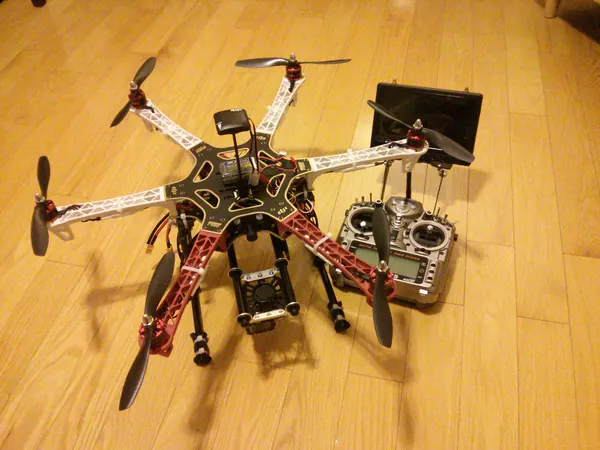
Another feature of this type of 6-rotor drone is that it can keep flying with two rotors down, in other words with only four working rotors. That gives you the chance to land it safely if something goes wrong during a flight.
Alternatives to hexacopters
If a hexacopter isn’t for you and you want to get started with drones, a regular four-rotor quadcopter is easier to fly and a much better choice for beginners.
Final thoughts on 6-rotor drones
When choosing between a 6-rotor drone and a regular four-rotor one, it always comes down to how you’ll use it and where you’ll fly, and whether you fly professionally or as a hobbyist.
6-rotor drones clearly offer more flight capability and payload, so you can mount a bigger, higher-quality camera on them. But along with that, they cost more than a conventional drone.
Because of that last point, we recommend choosing a conventional 4-rotor drone, given the huge number of models on the market and their wide range of prices.
Plus, many of them offer great image quality with their cameras.
Thanks for reading! We invite you to keep enjoying the content in the other sections of the site.
Related guides
Drones
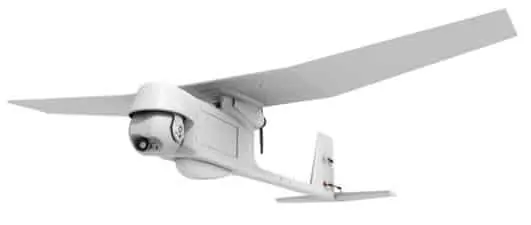
What Is a UAV? Definition and Types
A UAV is an unmanned aerial vehicle: an aircraft with no one on board that can be flown remotely or fly autonomously.
3 min read
Drones
The Little One in the Family: the DJI Tello Drone
Meet the Tello drone, built with DJI technology. It's an entry-level model, but it offers great specs that we'll go through here.
3 min read
Drones
How to Fly a Drone Like a PRO [2024 Guide]
Here's how to fly a drone like a pro: everything you need to know to master the techniques of flying your quadcopter.
17 min read
Drones
Drones vs RC Helicopters: Which One Should I Choose?
The battle of the century: drones vs RC helicopters. Who wins? Come in and find out which one is the best option for you!
6 min read