The Best Materials for Your RC Planes, So You Can Fly Like a Pro
Discover the best materials for building your RC planes and take to the sky in style. Don't miss it!
By Elite Radio Control teamUpdated 3 min read
Part of the guide: RC planes
RC plane fans have plenty of options to choose from: local hobby shops sell models at moderate prices, and specialty shops sell planes that can cost hundreds of dollars. That’s why we’re going to tell you a bit more about the most popular RC plane materials.
Below is a list of the most common materials used to build the frame and covering of RC planes.
The more serious hobbyists will probably want to build their own, either from a kit or from scratch. Either way, it helps to know which materials go into making an RC model airplane.
Balsa wood in RC planes
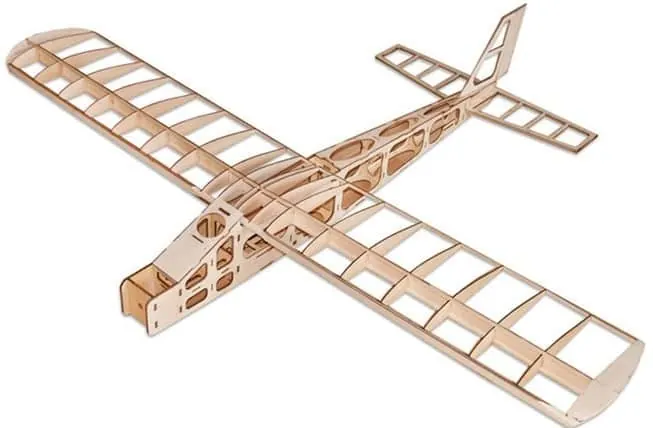
Balsa has been the standard in model airplane building since the late 1920s. Balsa wood combines the two things you need for a successful flight: strength and light weight.
It’s also easy to cut and carve with nothing more than a good sharp knife or a razor blade, so there’s no need for heavy or expensive tools.
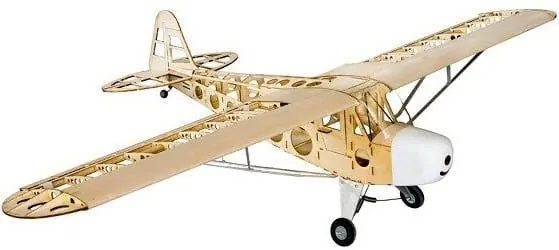
Because balsa comes in different grades, slightly heavier pieces can be used for the load-bearing parts of the structure, leaving the lighter ones for the wings and nose.
Other materials that can be used include paper or cardstock (yes, paper airplanes can have motors), light plywood and wood veneers such as obeche or ash.
Carbon fiber in model aviation
Also called graphite fiber, it’s a lightweight polymer that’s five times stronger than steel and twice as stiff.
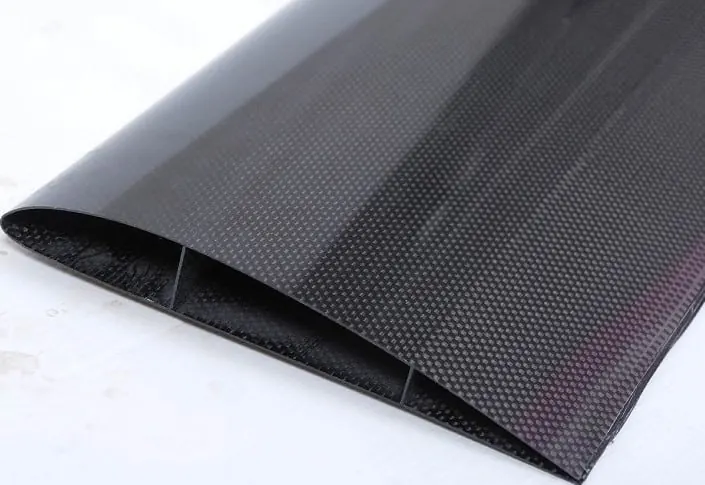
It can be used to build an entire plane, or just certain components such as the wings and fuselage.
Carbon fiber is also used in the support structure of foam or plastic models.
Polystyrene foam for RC planes
Made under several brand names (such as Depron or Styrofoam), polystyrene foam’s durability and strength make it perfect for building models of all kinds.
Because it’s formed through extrusion rather than expansion, this material has a closed-cell structure that makes it much easier to waterproof and paint than other plastics or foams.
Plastic for RC planes
Modelers also have good luck with polycarbonate resin thermoplastics such as Lexan, as well as Coroplast (corrugated plastic). These plastics have a corrugated sheet structure that makes them extremely light.
What matters most during the build is that the model ends up waterproof, impact-resistant and corrosion-resistant.
Films and fabrics for covering
There are many ways to cover the structure of an RC plane to waterproof it and give it color. Once again, the material has to be light and durable.
Some hobbyists use a special modeling tissue paper, while others invest in more premium products such as AeroKote, an iron-on adhesive polyester film, or the heat-shrink fabric known as Koverall.
The most popular wing covering materials include polyethylene thermoplastics such as PET, BoPET or Mylar. Silk is also a popular option.
How to buy RC plane materials
Buying the different materials you need to finish building your new RC aircraft is easy. Open the listing of the product you’re interested in to see its details and check whether it’s really what you need for your scale plane.
From there you can pay and choose the shipping option that suits you best. We point you to Amazon for these products because we believe it’s one of the most reliable platforms around, and it delivers orders quickly.
Take advantage of the discounts Amazon offers, especially when choosing your shipping method, so you can get the products you’ve been waiting for as soon as the next day, without leaving the comfort of your home.
We hope you enjoyed this post. Remember that you can leave a comment below and share it on social media.
Related guides
RC aircraft
Electric RC Planes: The Most Popular of the Family
Choosing the right electric RC plane can feel overwhelming, so we put together this guide to make the job easier.
4 min read
RC aircraft
Gas RC Planes for Engine Lovers
We explain how a gas RC plane works, which one to choose and how to start flying one.
3 min read
RC aircraft
How to Build Your Own Homemade RC Plane
Find out how to build your own homemade RC plane and have a blast flying it. You don't need to be an expert to enjoy model aviation.
5 min read
RC aircraft
RC Flying Wings: Model Aviation at Its Simplest
An RC flying wing gives you a super simple model that still delivers hours and hours of guaranteed fun.
2 min read