How to Build Your Own Homemade RC Plane
Find out how to build your own homemade RC plane and have a blast flying it. You don't need to be an expert to enjoy model aviation.
By Elite Radio Control teamUpdated 5 min read
Part of the guide: RC planes
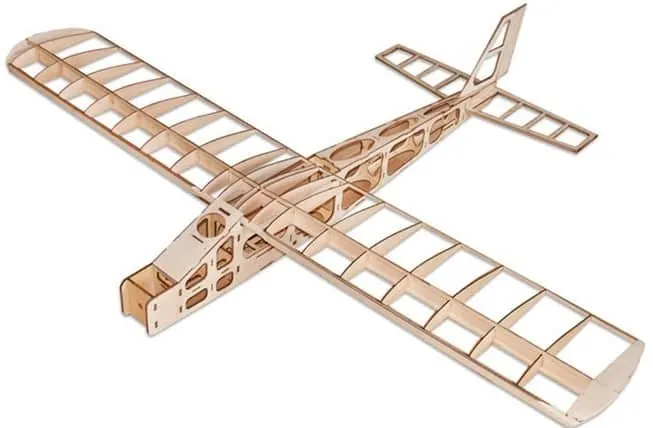
Build your own RC plane at home and take off into fun!
If you already have experience building scale models, or you’re good at making things yourself, this section will be right up your alley. Throughout this post we’ll go over the steps and materials you need to build your own homemade RC plane.
You’ll almost certainly need some of the parts listed below; just click on them for more details.
First steps in building your plane
These days the RC aircraft market offers a huge number of models, along with their parts and accessories, so finding what you need won’t be hard.
If you don’t have a way to make your own airplane parts, you can go with an almost-ready-to-fly (ARF) kit. These kits include all the parts you need to assemble your model, and they also give you plenty of experience getting to know every part of your RC plane.
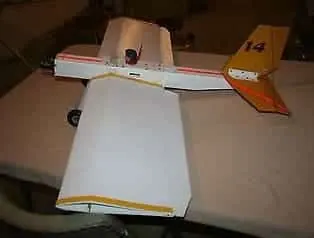
You can also buy the fuselage and each part of your future RC plane separately, choosing exactly the parts you’re most interested in and that you think your aircraft needs.
With that in mind, you need to decide what kind of scale plane you want to build: one to have fun flying a few times a week, or a large model you can compete with or use to take high-resolution photos.
What you need to build an RC plane
As we mentioned earlier, building this kind of radio-controlled aircraft takes the right components. Every plane you want to build will need the following parts.
The RC plane’s frame
You could say the frame is the most important part of an RC plane, and choosing the right one is the first challenge you’ll face. In the past, wooden frames were used, although today the most popular ones are made of carbon fiber.
Its strength and low weight make it the ideal material, although the drawback is its high price. Even so, the investment is well worth it.
For tighter budgets there’s another option for the airframe: polystyrene foam. You’ll find plenty of frames made from this material, and they’re very affordable.
The tail of RC planes
To begin with, the tail is what gives the aircraft the right direction in flight. It’s also responsible for making sure the plane has the stability it needs.
Keep in mind that the tail is controlled with a remote control and a transmitter, so make sure it’s working and properly synced with the transmitter.
The receiver inside the RC plane
Both the transmitter and the receiver are extremely important for your remote-controlled plane. If you want to fly it properly and without problems, make sure you choose higher-quality products.
Check that the transmitter you want to use offers the number of channels you need; each of these channels controls one part of the plane.
A transmitter usually offers two channels, but we recommend one with at least 4 channels, since that lets you control the throttle, rudder, elevator and ailerons.
On electric-powered planes, you can use the motor battery to power the receiver as well. On gas-powered models, however, you’ll need a separate battery pack.
Servos for scale planes
Servos are also one of the most important components to think about when building a radio-controlled scale plane. The servos move the rudder, throttle and flaps, all of which are needed for flight.
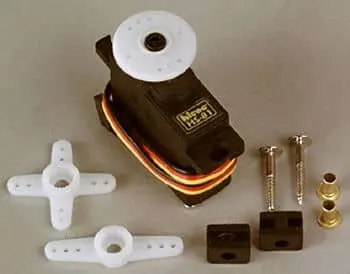
There’s a huge variety of servos in all shapes and sizes, so whatever the size of your RC plane, you’re sure to find the right one. There are also different models for electric RC planes and for fuel-powered ones; you’ll need to pick the one that’s compatible with yours.
The radio
One of the most important things to look for in an RC transmitter is how many functions it offers: the more functions, the more control.
Before buying a radio, check how it works with your plane’s parts to make sure everything is compatible.
Power source
Before you begin, decide what kind of power source the aircraft you’re building will need. For example, if you want to build an electric RC plane, you’ll find that these fly very quietly. That can be a deciding factor if you plan to fly near populated areas.
You’ll also see that battery-powered RC planes are smaller and, by nature, faster.
Designing your RC plane
The design of the RC plane you’re planning to build has to take into account all the points we’ve covered, based on the size and features you want your aircraft to have.
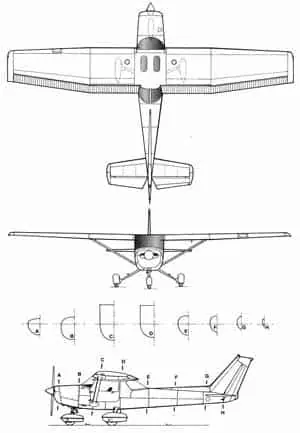
Remember to leave enough room inside your design for all the electrical components, as well as the motor and batteries.
The more electronic components you add, the more weight you create, so keep that in mind when choosing the frame so it doesn’t warp.
Building an RC plane from scratch is no easy task; there are many variables to pay attention to, such as the total weight of the plane including its components, the power of the motor and the strength of the frame.
On top of all that, there’s the area the wings will cover: the wingspan has to be right to support the flight maneuvers without making the aircraft unstable.
Building your homemade RC plane
Once you have the right design and have done all the necessary calculations, it’s time to start building your RC plane.
Before installing any component inside the frame, we recommend checking that everything works properly. You can connect all the plane’s parts on a workbench: hook up the motor, its power source, the servos and the receiver, and test the RC transmitter too.
That way you make sure everything works as expected, without having to take all the components apart once they’re installed inside the fuselage.
With the frame in hand, start placing the electronics inside it, aiming for the best possible weight distribution.
Once again, when you’ve finished installing all the components, test the aircraft without taking off. This lets you check that everything is in place and that it all works as planned.
When you’re sure your homemade creation works properly, it’s time to go flying. As always, we recommend flying only in authorized areas so you don’t hurt anyone or damage anything.
We hope this guide helps you build your own RC plane. Feel free to leave your comments below and share this post.
Related guides
RC aircraft
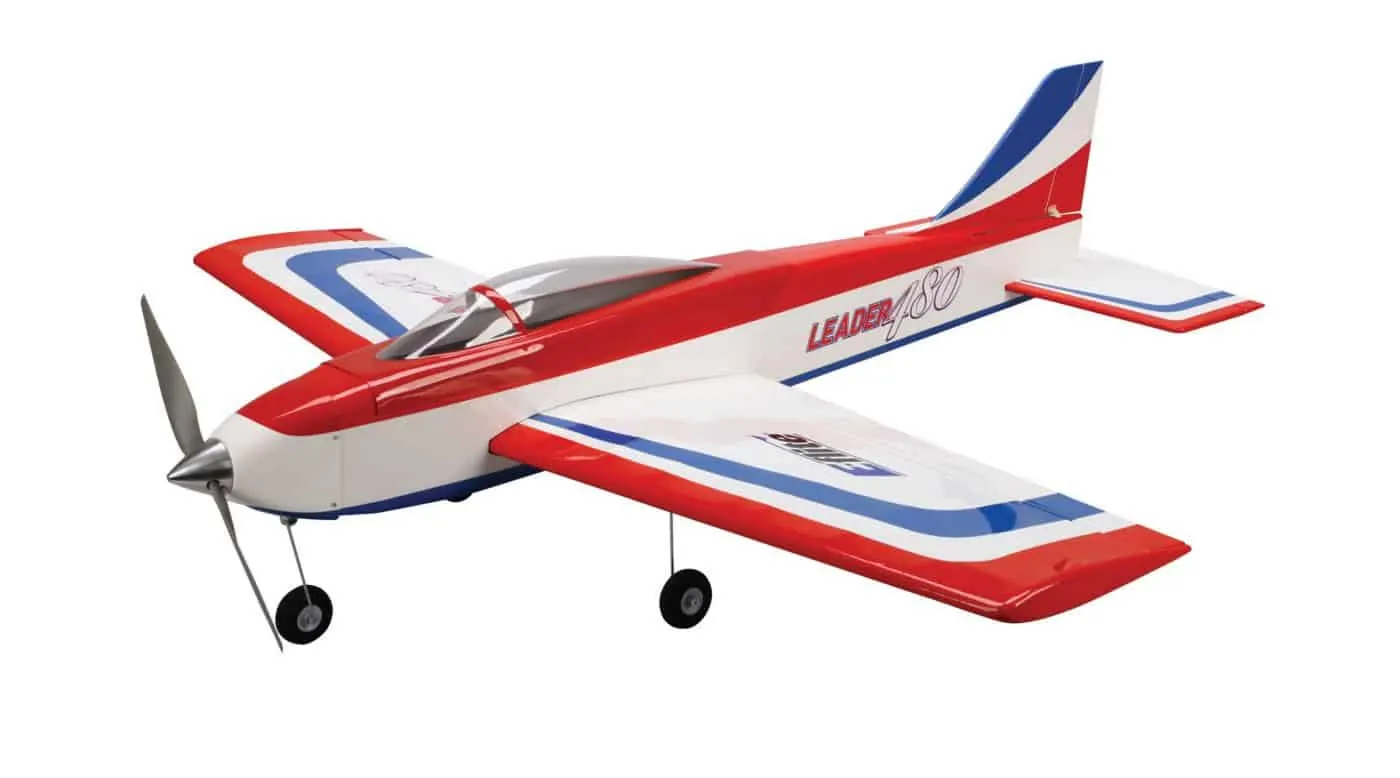
Electric RC Planes: The Most Popular of the Family
Choosing the right electric RC plane can feel overwhelming, so we put together this guide to make the job easier.
4 min read
RC aircraft
Gas RC Planes for Engine Lovers
We explain how a gas RC plane works, which one to choose and how to start flying one.
3 min read
RC aircraft
RC Gliders: A Unique Way to Fly
If you want a unique flying experience, RC gliders are the way to go: they use nothing but the air around them to stay aloft.
2 min read
RC aircraft
The Complete Guide to Choosing Your First RC Plane
This post introduces you to the world of RC aircraft and explains how an RC plane basically works. Read on!
12 min read