4WD vs 2WD RC Cars: A Comparison
Learn the PROS and CONS of 4WD (4x4) RC drivetrains and of the most common setup across all kinds of vehicles, 2WD (4x2). CHECK THEM OUT HERE.
By Elite Radio Control teamUpdated 5 min read
Part of the guide: Which RC car to buy
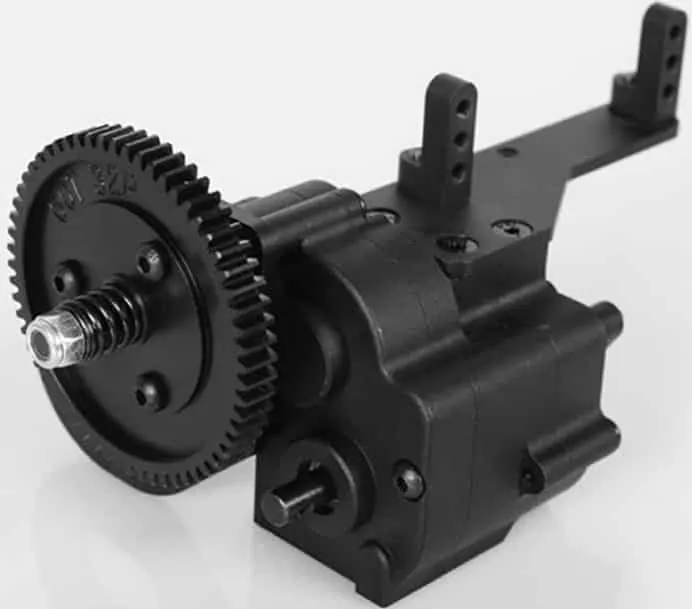
In this post we’ll look at the difference between two types of drivetrain: 2WD (4x2), the most widely used in RC vehicles, versus 4WD (4x4), the all-terrain option.
Each one has its advantages and disadvantages, so you’ll have to choose between them, and here we’ll explain what each one is all about.
4WD RC drivetrains
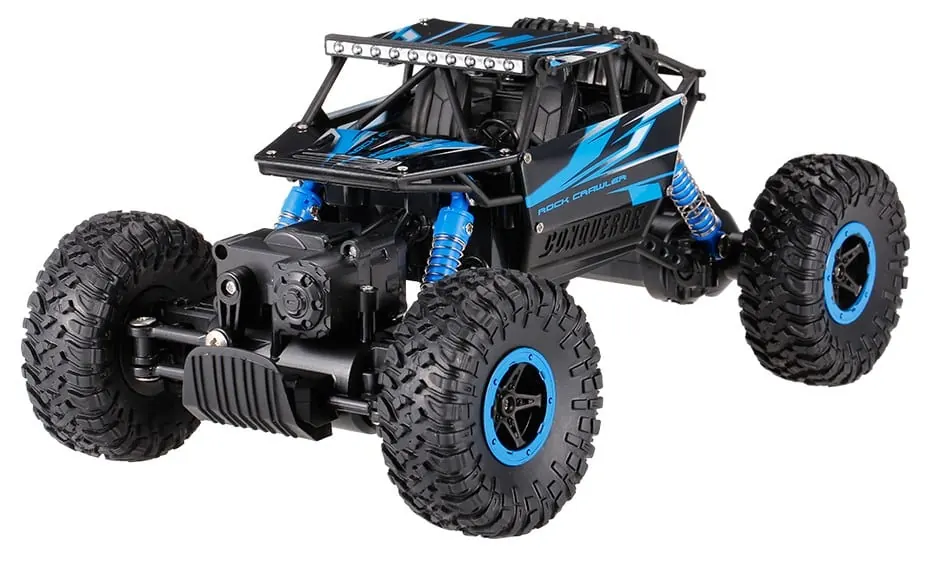
You’ll see this drivetrain all the time on RC crawlers, where torque and power are essential. Here are more details on this four-wheel drive setup.
Advantages of 4WD RC cars
These 4WD scale cars (if scales are new to you, see our guide to RC car scales) have plenty of advantages, which you’ll find below.
- Great for beginners, because you’ll have more control going straight and through corners without sliding off your intended line.
- All 4 wheels turn almost in sync with each other for maximum traction and stability in a straight line.
- More grip on different surfaces and in slippery conditions; they’re less likely to get stuck.
Some disadvantages of 4WD
This type of RC car also has some disadvantages, and here we’ll list them all.
- A complex drivetrain: it has more moving parts and gears for every wheel. That also means more parts that wear, and they cost more to replace than on a 2WD.
- Cleaning the parts after a run can be a real headache, because dirt and mud stick between the front and rear driveline and are more likely to knock the center gears out of alignment. Many 4WD RC models come with an exposed pinion and spur gear in the middle of the chassis for easy maintenance, but that’s asking for trouble, because it lets more dirt and debris get into the gears.
- Because all 4 wheels are connected to a common drive source and motor, which gives more synchronized movement in every direction, this also creates a lot of stress, or should we say DISTRIBUTED LOAD STRESS, especially in corners and on hard landings after big jumps.
- A 4WD RC platform is heavier. Even if it has a tough 4WD drivetrain, the other parts outside that system may not handle its power, especially in crashes.
- Of course, a 4WD RC is more expensive to buy, and it doesn’t always look as sleek and sexy as a 2WD, because the front of a 4WD chassis houses the bulky front differential bulkhead.
- It isn’t as fast or as powerful as a 2WD, because the torque is split in two: half goes to the rear wheels and half goes to the front wheels. So the motor has to work harder to drive 4 wheels. The ESC amp rating you need is usually much higher than on a 2WD.
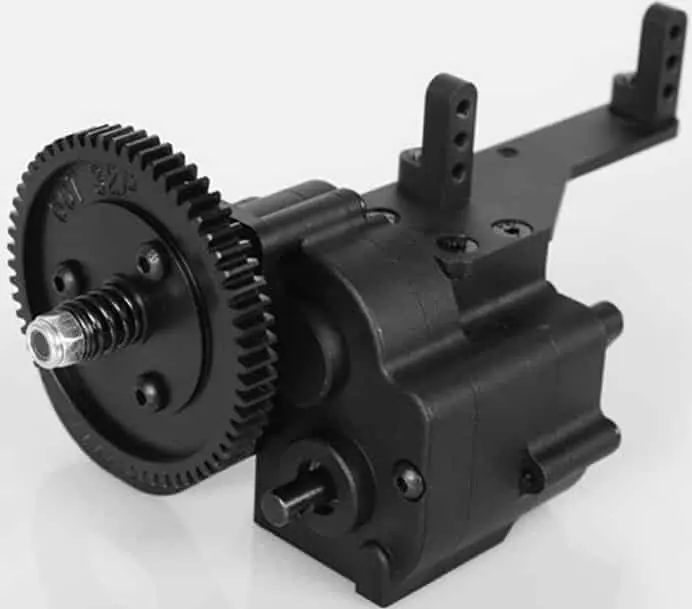
2WD RC drivetrains
2WD is used in most RC cars, and it’s simpler and cheaper. Here we’ll explain a bit more about this type.
Advantages of a 2WD drivetrain
- Cheaper to buy and affordable. They always look good, and the mechanics are simple, which makes maintenance easier and means spending less on spare parts.
- Ideal for speed, jumps and hard hits, because there isn’t much drivetrain stress between the front and rear wheels. The front wheel can do whatever it wants or take a hard impact. The rear wheel doesn’t care what the front wheel does, and it has no consequences for the front. They’re completely independent of each other.
- With a 2WD RC you can do donuts and drift on any dirt road, if you know how.
- A 2WD chassis is also lighter, which makes it ideal for jumping and catching air, and it’s less likely to cause serious damage to other parts inside the buggy when it crashes off the track. Less inertial force from the weight. All of that makes it a lot of fun to drive.
- A 2WD sand/desert-style buggy always has its main gearbox and motor at the rear of the chassis, protected by a tube cage, which makes quick maintenance easy without opening up and taking the whole body apart, especially for quick fixes and adjustments during pit stops at the race track.
- 100% of the motor’s torque and power goes straight to the two rear wheels. That can lift the two front wheels into the air and put on a good show.
- They don’t just have torque: they’re also very fast and keep picking up speed as they roll, because the front and rear don’t need to sync their wheel speeds. The rear wheels simply shoot off at full speed and the front wheels just roll along with them. A 2WD chassis can also carry a bigger, longer battery, because there isn’t as much taken up around the chassis, unlike a 4WD RC where the middle section is occupied by the driveshaft and the front differential housing.
Disadvantages of a 2WD drivetrain
Here are some of the disadvantages of models that drive only two wheels.
- A 2WD RC slides and fishtails a lot at the limit because it has more torque than traction. It’s hard to keep straight, since the front wheels just roll freely. It’s a bit hard for beginners to handle. That’s why 2WD is the choice of many experienced drivers, and you’ll need some skill to drive one.
- A plastic differential cup can pop out or break because of the force between the differential and the wheels. A quick, cheap upgrade to a metal cup fixes the problem for good. Then you can happily pull the throttle trigger all the way if you love top speed.
Benefits of buying a 4WD RC car
Buying a 4WD RC car offers a range of benefits and exciting opportunities for hobbyists of all ages. These all-terrain vehicles are designed to tackle all kinds of surfaces, from paved tracks to rocky, rough ground. Thanks to their four-wheel drive, 4WD RC cars offer more stability and control, so they’re easy to maneuver in tough conditions.
That helps drivers build their driving skills and coordination, since they have to adapt to different surfaces and obstacles. 4WD RC cars also offer an exciting recreational driving experience, whether you enjoy it on your own or share it with friends and family. From thrilling races to exciting off-road adventures, these vehicles offer endless fun.
On top of that, the 4WD RC car hobby can be educational, since hobbyists can learn about mechanics and technology while they customize and upgrade their vehicles.
In short, buying a 4WD RC car is an exciting choice that combines entertainment, learning and adventure, letting you explore new heights and challenges while diving into the fascinating world of RC motorsport.
Thanks for stopping by this section on RC car drivetrains. Feel free to leave a comment below and share the post.
Related guides
RC cars
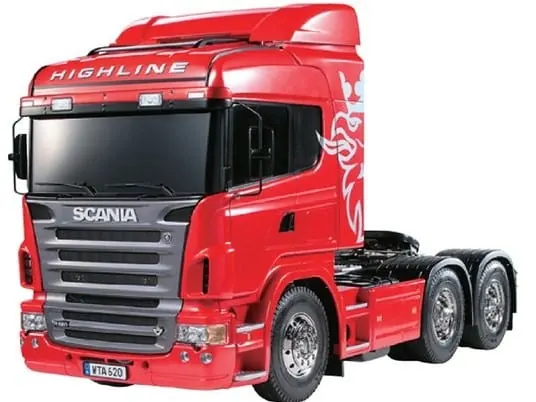
Discover the Best RC Trucks!
Check out some of the most amazing RC trucks in this post. Have more fun than ever with these incredible scale models!
5 min read
RC cars
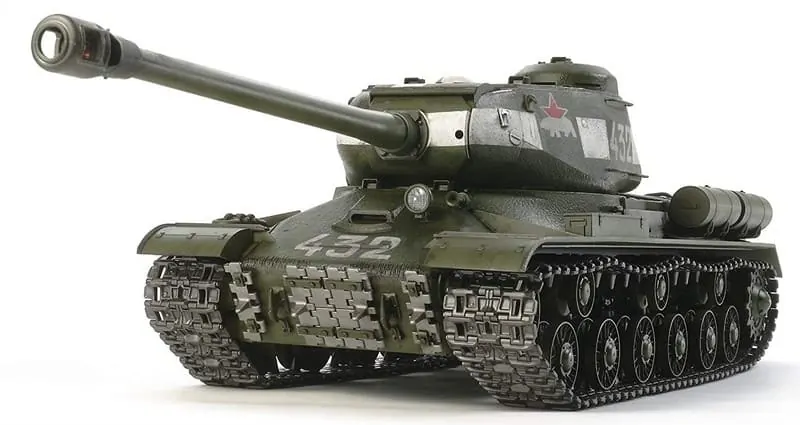
RC Tanks and the Most Realistic Replicas
Discover the fascinating world of RC tanks. Dive into our guide and find the most realistic replicas, ready to take you back to epic historic battles.
5 min read

RC cars
The Best RC Drift Cars for Maximum Fun!
Discover the best RC cars for drifting and have more fun than ever with your friends. Come on in and pick yours!
5 min read
RC cars
RC Crawlers: Rock-Climbing RC Trucks
If you want to conquer any obstacle-packed terrain that comes your way, an RC crawler is the ideal RC vehicle for you.
6 min read