How to Assemble an RC Plane from an ARF Kit
A new RC plane arriving is always exciting. Here you'll find some useful tips for assembling an RC plane kit.
By Elite Radio Control teamUpdated 5 min read
Part of the guide: RC planes
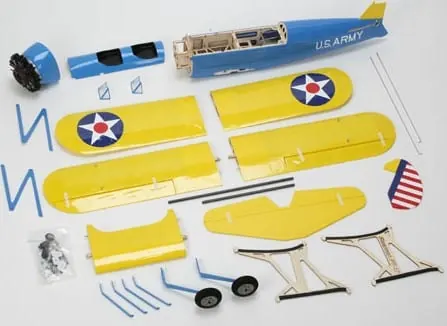
How do you assemble an RC plane kit?
Building an RC plane from an Almost Ready to Fly (ARF) kit takes careful, precise work, so here we’ll share some tips and techniques to help you succeed with your RC plane kit.
As always, follow the instructions that come with whichever model you buy.
First things to do with an RC plane kit
A new RC plane arriving at your house is always exciting. With the larger models, the size of the box never fails to surprise.
Your first job is to carefully inspect the package for any sign of damage in shipping.
If you find any, let the shipping company know right away.
Next, open the box and admire the kit you just bought, with its many full-color photos of the finished model.
The main components usually come in clear plastic bags.
It’s best to leave them packed until you need them for assembly. Hold on to the plastic bags, because they can come in handy (I’ll explain later).
Find the manual and the PARTS LIST. Now check off every component. If anything is missing or damaged, now is the time to find out, not when you need it during assembly.
Let the supplier know about any problem, and if it’s a reputable company, replacement parts will soon be on their way. This is also the time to decide whether any part needs replacing.
The RC plane kit’s covering
Because the box may have been exposed to high temperatures since it left the factory, the covering film has probably loosened or wrinkled in some spots.
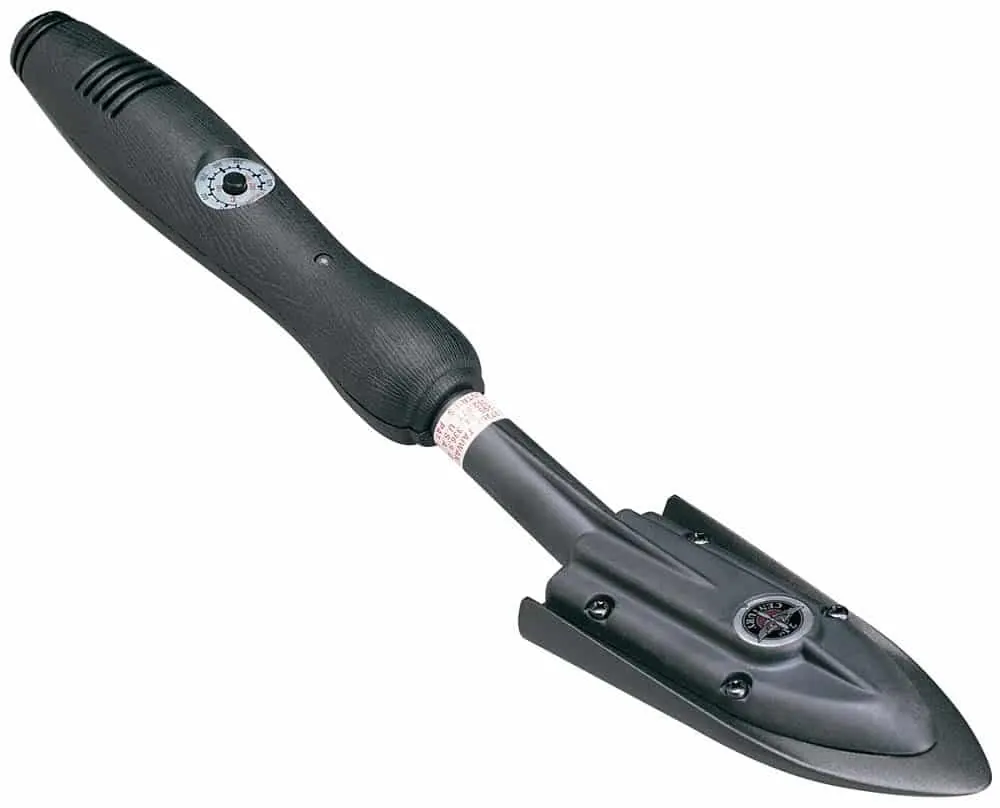
If you know what material was used, you should also know the right temperature for applying it. Check the model’s covering for more information.
If the material is a mystery, proceed with extreme caution. Start with a low temperature and raise it slowly, especially around the edges and joints.
It can be better to leave a few wrinkles than to ruin an entire part.
The RC model plane manual
Now, manual in hand, find a quiet, comfortable spot and read it from start to finish. This will familiarize you with the assembly process and make things much easier as you go.
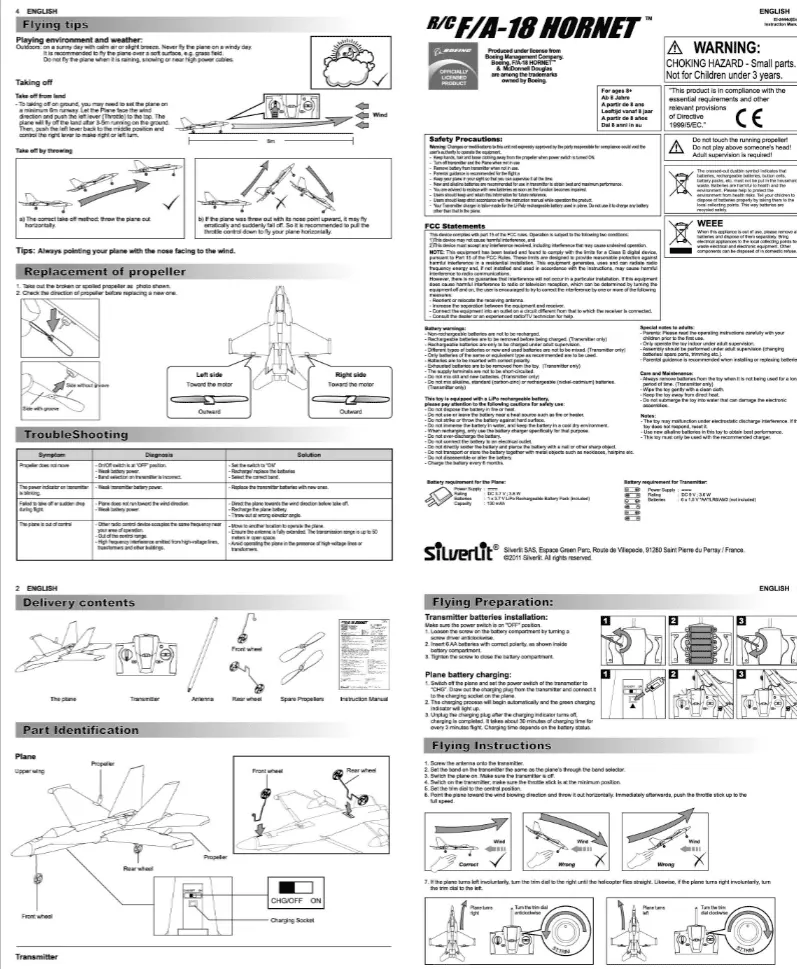
Building an RC model plane from an ARF kit isn’t as quick as you might think, and some ads can be very misleading.
Tip: don’t expect to fly overnight. Take all the time you need and enjoy building an accurate, well-aligned, well-balanced model that will fly well.
Balancing the RC plane
Talking about a “well-balanced model” brings up the single most important point when it comes to RC planes.
IT HAS TO BALANCE AT THE CORRECT CENTER OF GRAVITY POINT.
The CG (center of gravity) will be described in the manual. Look at this early in the process. Adding weight to any model can be very annoying, and you’ll want to move components, such as the radio receiver, as early as possible.
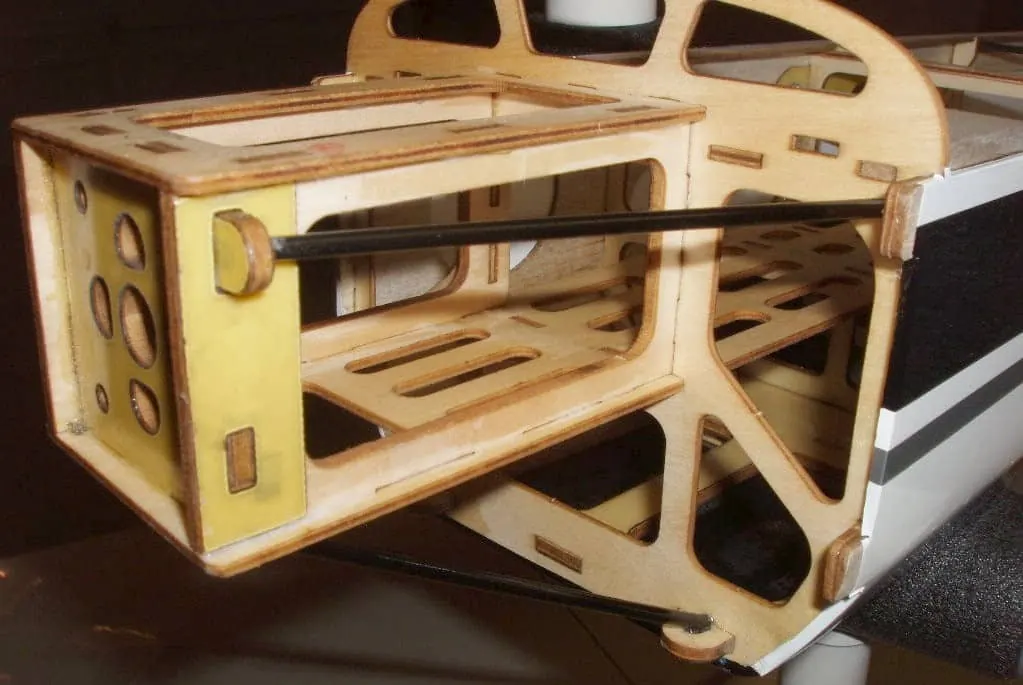
Often you can mount the battery at the front of the plane. As long as it’s securely mounted (you can use zip ties) and wrapped in a plastic bag (it can be one of the bags that came in the kit box), everything will be fine.
Don’t forget to balance the model LATERALLY. A heavy wing will result in a model that keeps turning toward the heavier wing.
If, despite your best efforts, you have to add weight, make sure it’s well secured, and do it as early as possible.
Gluing the joints
The glue used in building these RC model planes seems to be a kind of hot melt. Check every joint you can reach, and you can reinforce them with a small amount of adhesive. This will extend the life of your model without adding any extra weight.
Take a close look at the nose frame. Make sure it’s firmly attached to the fuselage structure. If in doubt, do whatever it takes to fix it.
Wing panels
To join the wing panels, you can again use the plastic bags that came in the box with the plane.
Tape them to the wing panels, then apply slow-curing epoxy to the roots and the joiner, press everything together and use tape to keep things properly aligned until the epoxy cures.
Wipe off any excess glue with alcohol. The plastic bags will keep the epoxy from spoiling your new wing panels.
The RC motor and the cowl
Another worthwhile modification, which probably applies to every RC plane, involves the cowl mounting screws. If the screws are self-tapping, apply contact adhesive to the hole, then drive the screw into the hole for the first time.

This hardens the threads and gives them a longer life. Do this with every self-tapping hole. You can also use a nylon washer under the screw head to make sure the cowl is “soft mounted” and less likely to crack.
Buying an RC plane kit on Amazon
Buying an RC plane kit is an exciting choice that brings plenty of benefits and rewarding experiences for model aviation enthusiasts. These kits let you build your own plane from scratch, which not only gives you a sense of accomplishment and personal satisfaction but also helps you learn about aerodynamics, mechanics and electronics.
As you assemble the different parts and components, you develop technical and creative skills and gain a deeper understanding of how an airplane works. Once it’s finished, flying your hand-built RC plane is a unique and rewarding experience, because it connects you with your creation and lets you enjoy flights tailored to you. RC plane kits also offer more flexibility for customizing and upgrading, so you can adapt and improve your plane as you gain experience in the hobby.
In short, buying an RC plane kit isn’t just a chance to explore a passion for aviation and modeling; it’s also an enriching way to learn, create and enjoy the exciting world of radio-controlled flight.
Final checks
Check the accuracy and quality of your work. Most of the assembly will have been done at the factory, and today’s RC plane building standards are very high. Still, if the wing isn’t mounted correctly or isn’t aligned with the tail surfaces, you’ll end up with a nightmare in the air.
If you take your time and enjoy the process, you’ll be rewarded with a model that flies well and lasts longer. Building and flying RC planes is a fascinating hobby.
We hope you found the information here useful and interesting. Remember to share this post with friends and family.
Related guides
RC aircraft
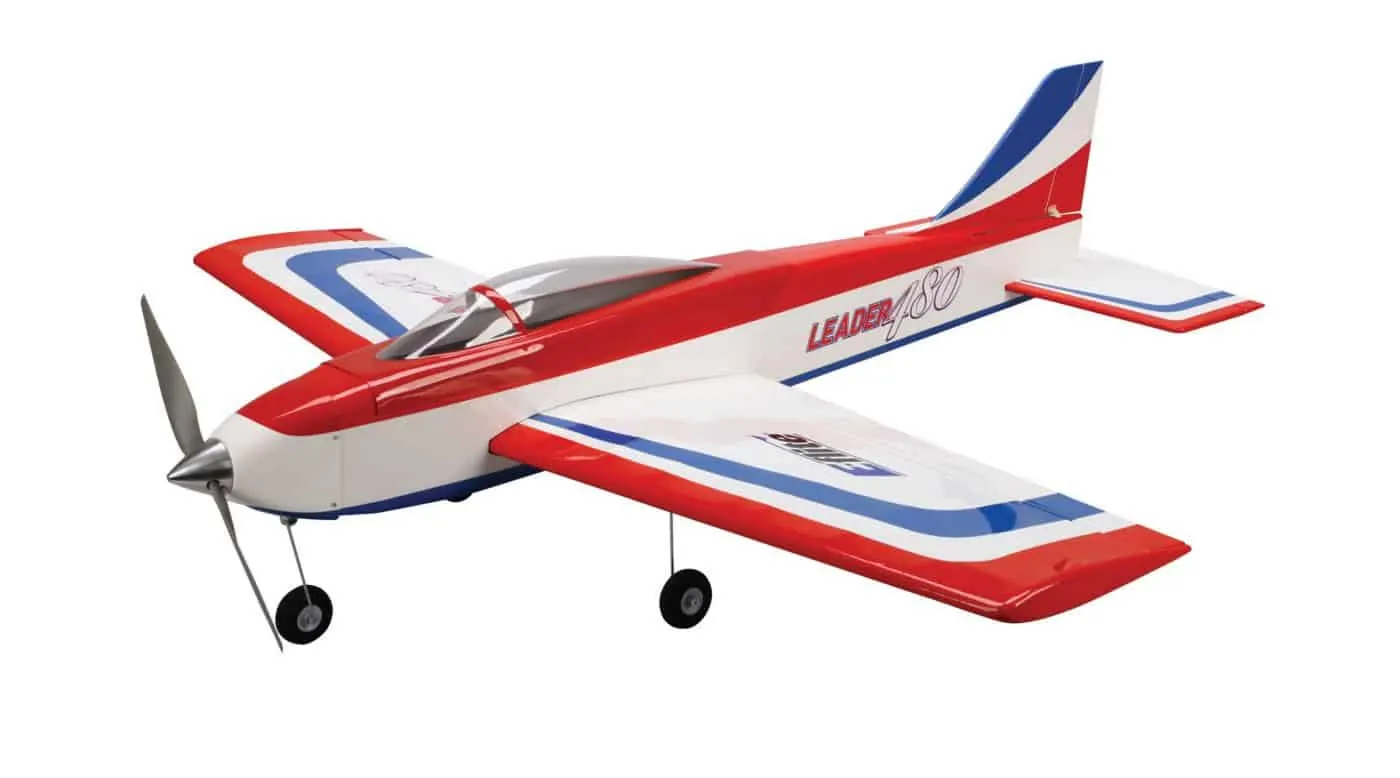
Electric RC Planes: The Most Popular of the Family
Choosing the right electric RC plane can feel overwhelming, so we put together this guide to make the job easier.
4 min read
RC aircraft
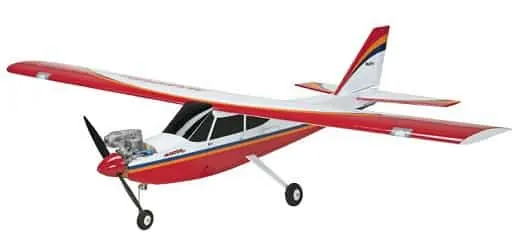
Gas RC Planes for Engine Lovers
We explain how a gas RC plane works, which one to choose and how to start flying one.
3 min read
RC aircraft
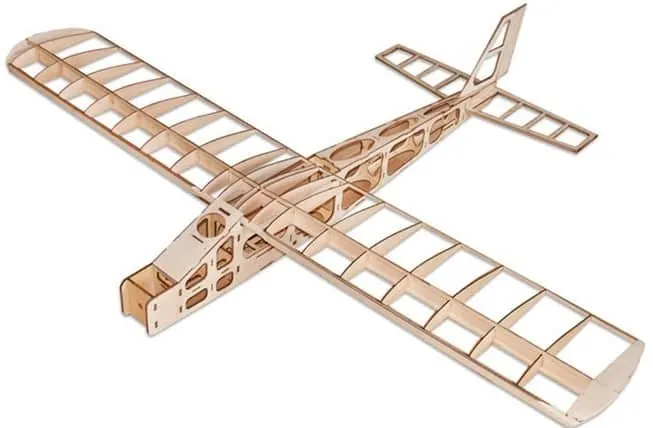
How to Build Your Own Homemade RC Plane
Find out how to build your own homemade RC plane and have a blast flying it. You don't need to be an expert to enjoy model aviation.
5 min read
RC aircraft
The Complete Guide to Choosing Your First RC Plane
This post introduces you to the world of RC aircraft and explains how an RC plane basically works. Read on!
12 min read