Fly High with These RC Jet Turbine Planes!
Discover the exciting world of model aviation with turbine-powered RC planes. Fly high and have more fun than ever!
By Elite Radio Control teamUpdated 2 min read
Part of the guide: RC planes
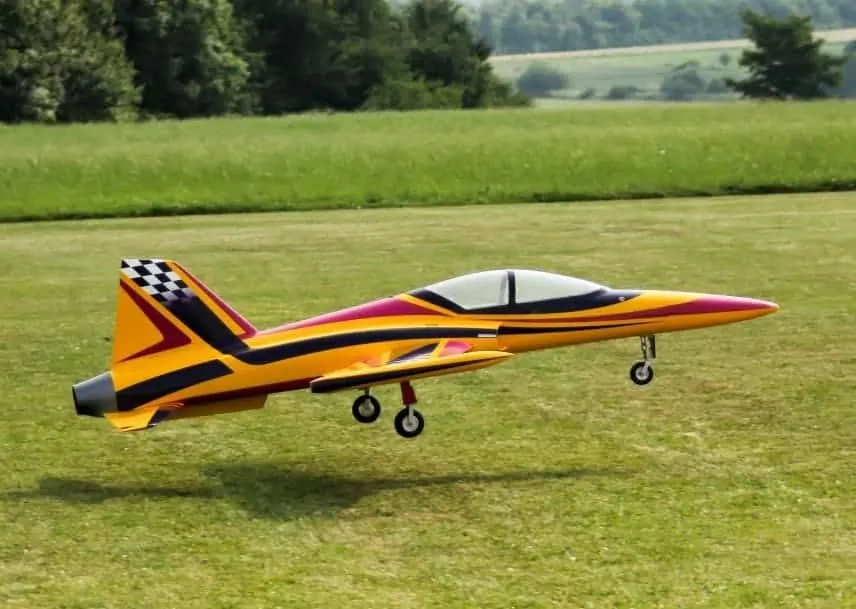
If gas planes already impress us with their realism, an RC plane with a jet turbine adds the final touch of realism that scale models need.
Here we’ll tell you more about these radio-controlled models and how they work, and recommend a few models.
RC jet turbine basics
These planes have become very popular in recent years, and there are plenty of models, both smaller and larger. But let’s be clear: flying these planes is not for beginners, and it takes previous flying experience.
Besides many hours of flying, you need a big budget to get seriously involved with these planes. Even the smallest models aren’t cheap, and on top of that you have to add the other accessories as well as the radio gear.
There’s no doubt this hobby will cost you some money, but these are also the most realistic models, and flying them is worth it if you can afford the investment.
You’ll also find turbines in RC helicopters, although we think turbine-powered helicopters don’t look as realistic.
How does an RC turbine engine work?
Obviously, models can vary a lot from one to the next and from one manufacturer to another, but the basic principles are the same.
Today, the most widely used technology in RC turbines is centrifugal flow. Air enters at the front, passes through the spinning impeller and exits at the back.
The air slams against the inside of the turbine casing at high speed and is heavily compressed as it moves into the combustion chamber. This intense compression raises the pressure, and therefore the temperature, of the air, which makes it more effective when it mixes with the fuel.
Internal combustion in RC turbines
As the fuel-air mixture ignites and burns inside the chamber, the chamber’s conical shape and the incoming flow of fresh air force the mixture backward, toward the turbine. The fast outward flow of the fuel-air mixture spins the turbine, which in turn spins the compressor at the front of the jet engine (the turbine and the compressor are connected by a central shaft), and the cycle repeats.
The exhaust gases are finally squeezed through the tapering jet pipe at the back of the engine and leave at high speed and pressure, producing the high levels of thrust associated with jet turbines.
RC jet turbine video
Below is a video with two scale RC jet turbine planes. You’ll see two experienced pilots preparing their models, followed by the takeoff and the aerobatics they perform in the air.
After watching this video, you’re sure to be fascinated by these scale models.
Thanks for visiting this post on RC jet turbine planes. Feel free to comment on the post and share it.
Related guides
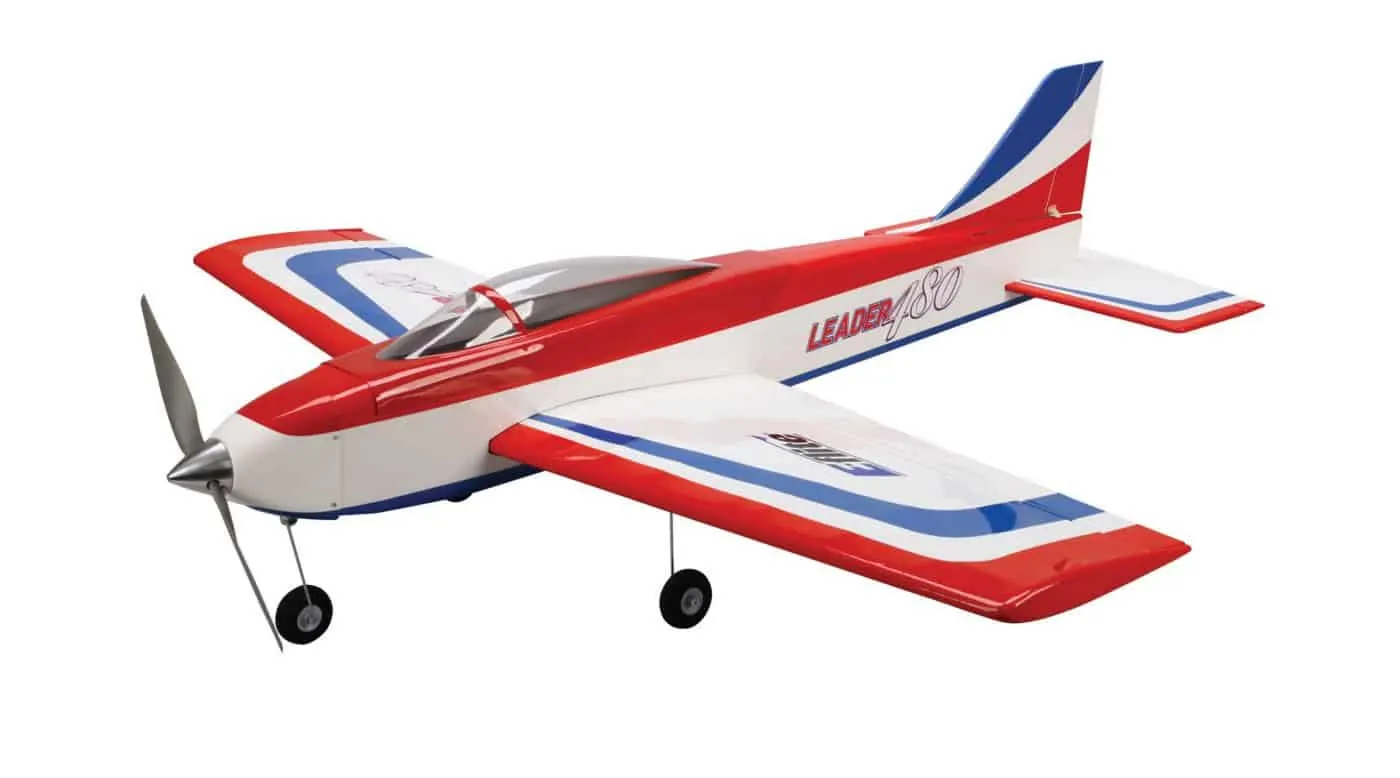
RC aircraft
Electric RC Planes: The Most Popular of the Family
Choosing the right electric RC plane can feel overwhelming, so we put together this guide to make the job easier.
4 min read
RC aircraft
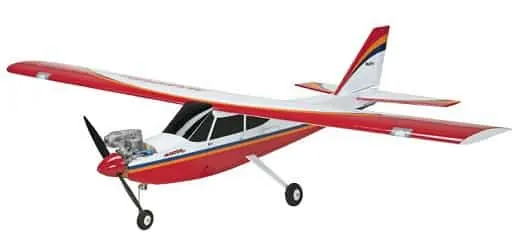
Gas RC Planes for Engine Lovers
We explain how a gas RC plane works, which one to choose and how to start flying one.
3 min read
RC aircraft
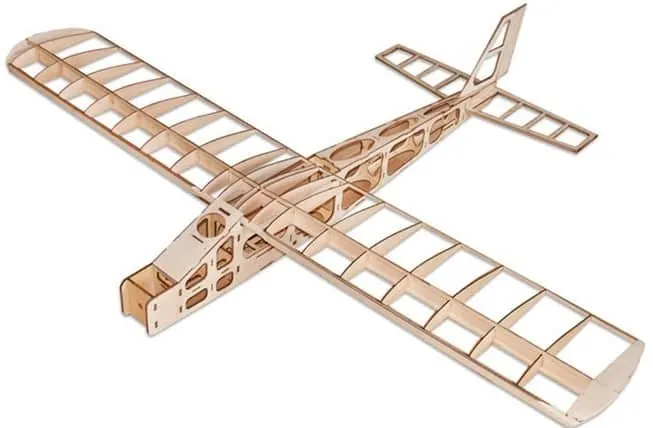
How to Build Your Own Homemade RC Plane
Find out how to build your own homemade RC plane and have a blast flying it. You don't need to be an expert to enjoy model aviation.
5 min read
RC aircraft
The Complete Guide to Choosing Your First RC Plane
This post introduces you to the world of RC aircraft and explains how an RC plane basically works. Read on!
12 min read