RC Differentials: Types, Diff Oil and Tuning
What an RC car's differential does, gear diffs, ball diffs and spools, which oil to use and how tuning it changes the way the car handles.
By Elite Radio Control teamUpdated 2 min read
Part of the guide: RC workshop: building, maintenance and painting
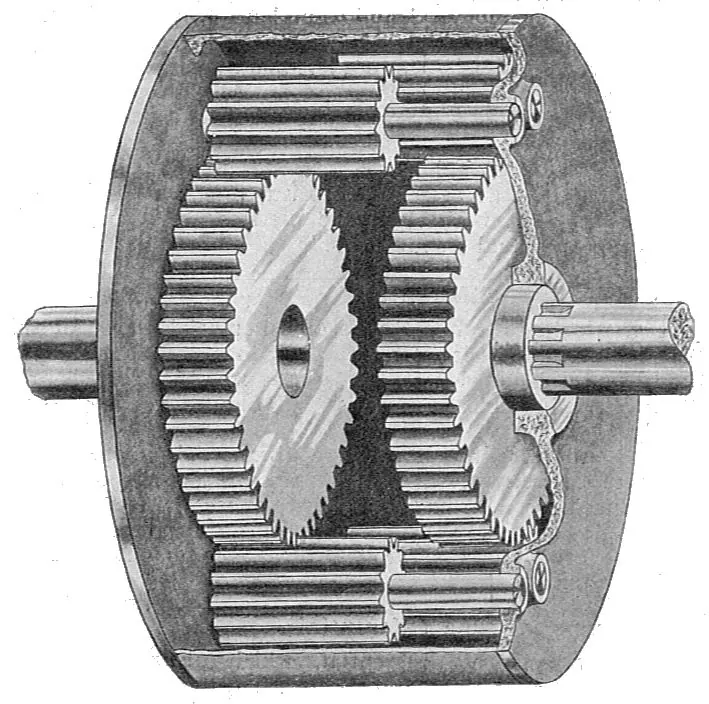
The differential is a part you almost never see, but it decides how an RC car turns and puts power down. Tuning it is one of the most effective ways to set the car up for the track.
What it does
In a corner, the outside wheel travels farther than the inside one. The differential lets the two wheels on the same axle turn at different speeds while splitting the motor’s power between them. The downside is that if one wheel loses grip, the differential tends to send power to that wheel, which spins.
Types of RC differentials
- Oil-filled gear diffs: the most common on buggies, monster trucks and 1/8 scale cars. They’re filled with silicone oil, which slows the internal movement and lets you tune how they behave.
- Ball diffs: common on some 1/10 scale competition touring cars and buggies. You adjust them by tightening a screw that controls how much they slip.
- Locked (spool or locker): both wheels always turn at the same speed. They’re used on crawlers and on the front axle of some competition cars.
Differential oil
Gear diffs use silicone oil that’s much thicker than shock oil, rated in cSt (often in the thousands). As a rule:
- Thicker oil: more traction when one wheel loses grip and more stability on the straights, but more understeer (the car turns less).
- Thinner oil: turns better and is more agile in tight corners, but can lose traction on corner exit.
4WD cars often run different oil weights in the front, center and rear diffs. Start from the values in the manual and change one at a time.
How to refill a gear diff
- Take the diff apart and clean out the old oil.
- Check the seals and the gears: if a seal is damaged, the diff will leak oil.
- Fill until the spider gears are covered, turn it slowly to let the air out and top it up.
- Close it up, tightening the screws in a crisscross pattern, and check that it turns smoothly with no tight spots or leaks.
Differentials and car type
- Crawlers: locked diffs. See RC crawlers.
- Monster trucks and buggies: oil-filled gear diffs. See RC monster trucks.
- Drift: often a locked or very stiff rear diff to make sliding easier. See RC drift cars.
Available on Amazon
You can find RC silicone differential oil in a range of weights on Amazon.
- RC silicone differential oilCheck price
The differential works together with the drivetrain: learn to tune that in RC gear ratio, and the suspension in RC shocks.
Frequently asked questions
What does the differential do on an RC car?
It lets the wheels on the same axle turn at different speeds in corners, because the outside wheel travels farther than the inside one. Without it, the car would drag one wheel and turn worse.
What happens if I put thicker oil in the differential?
The diff behaves more like a locked one: it sends power better when one wheel loses grip, but the car turns worse. With thinner oil it turns better, but it can lose traction.
Why do crawlers run locked differentials?
Because on the trail what matters is that both wheels always keep pushing, even if one is in the air. At low speed, turning a little worse matters less than not getting stuck.
Related guides
RC cars
RC Shocks: Oil, Building and Tuning
How the shocks on an RC car work, which oil to use, how to fill and bleed them, and how to set springs, preload and mounting position for each surface.
2 min read
RC cars
RC Gear Ratio: How to Choose Your Pinion and Spur
What an RC car's final drive ratio is, how pinion and spur choice changes speed and temperature, and how to pick the right combination.
3 min read
RC cars
How to Build an RC Car: What You Need, Step by Step
Kit or scratch build, components, tools, cost and the steps to build your own RC car and get it ready to drive.
4 min read
RC cars
How to Build an RC Car With Arduino
Learn how to build your own RC car with Arduino and have fun driving it by remote control. Don't miss this tutorial!
5 min read

RC cars
How to Build a Cardboard RC Car
Find out how to build your own cardboard RC car in this fun post from our blog. Don't miss it!
5 min read