RC Shocks: Oil, Building and Tuning
How the shocks on an RC car work, which oil to use, how to fill and bleed them, and how to set springs, preload and mounting position for each surface.
By Elite Radio Control teamUpdated 2 min read
Part of the guide: RC workshop: building, maintenance and painting
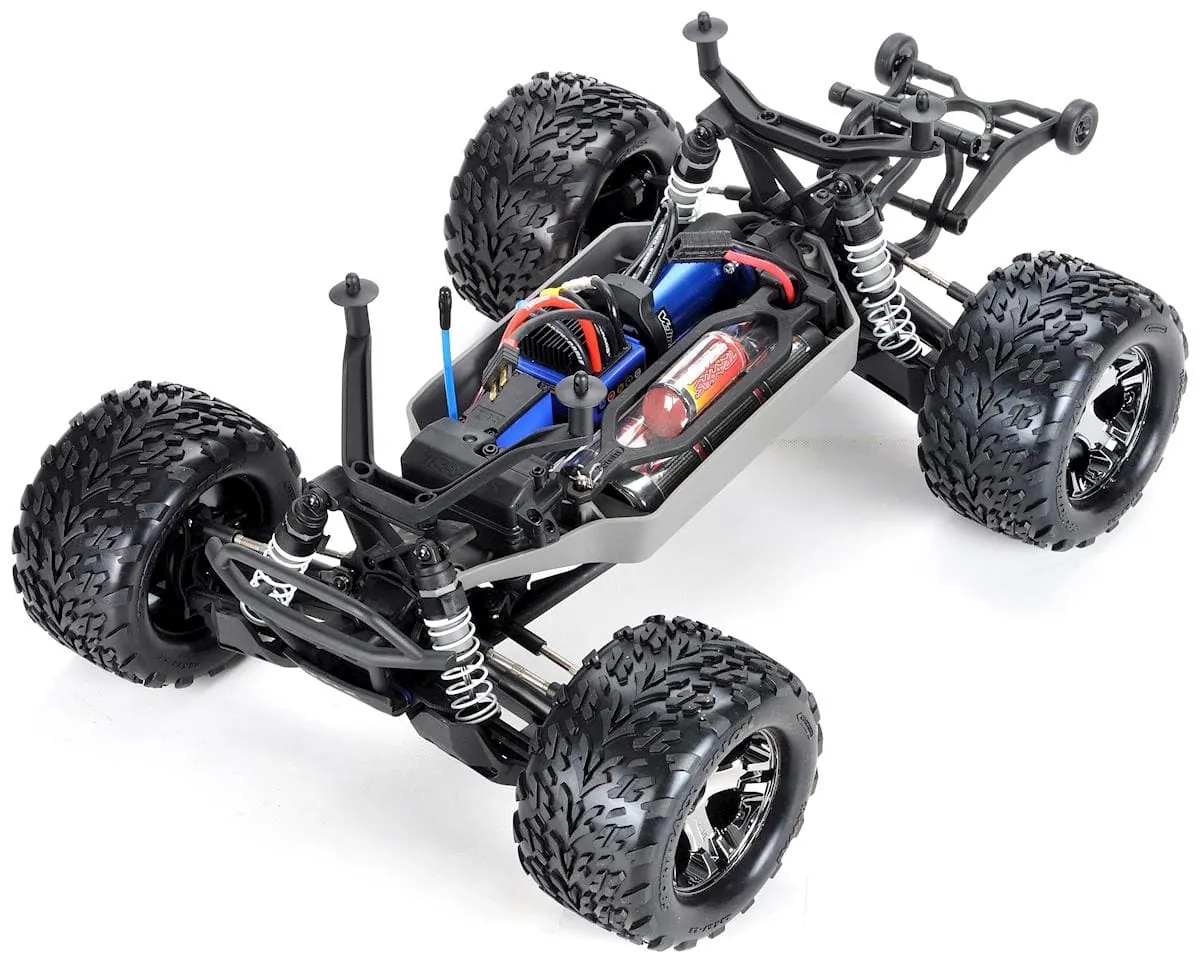
Shocks are what keep the tires planted on the ground and control the bouncing after a jump or a bump. On an RC car with independent suspension, a good shock setup makes as much of a difference as a more powerful motor, especially on dirt.
How an RC shock works
An RC shock has a body filled with silicone oil, a piston with small holes that moves inside it, and an external spring. The spring holds up the car’s weight; the oil slows the piston’s movement and keeps the car from bouncing like a ball.
Oil viscosity
Oil thickness is rated in cSt (centistokes) or wt (weight), depending on the manufacturer. As a general rule:
- Thicker oil: the shock moves more slowly. More stability and less body roll, but less ability to soak up quick bumps.
- Thinner oil: faster response and more traction on rough ground, but more bounce on jumps.
Temperature matters too: oil thickens in the cold and thins out in the heat. Many drivers keep two or three weights on hand to switch with the seasons.
How to fill and bleed an RC shock
- Take the shock apart and drain the old oil. Clean the body and the piston.
- With the shaft fully extended, fill the body with oil almost to the top.
- Move the piston slowly up and down to work out the air bubbles. Let it sit for a few minutes.
- Top off the oil and screw the cap on slowly, letting the excess escape through the bleed hole if it has one.
- Check that the shaft moves smoothly and that both shocks on the same axle have the same travel and the same damping.
Springs, preload and mounting position
- Springs: stiffer for heavy cars or smooth surfaces; softer for more traction on rough terrain.
- Preload: the spacers or collars that compress the spring change the ride height, not the stiffness. Set the same ride height on both sides.
- Mounting position: many cars have several holes on the shock towers and arms. The more the shock is laid down, the softer the suspension feels.
Change only one thing at a time and test it on the track: that way you’ll know what effect it has.
Inspection and maintenance
After every session, look for oil leaks, bent shafts and sloppy rod ends. A shock that leaks oil stops damping and the car becomes unpredictable. You’ll find the full routine in our guide on how to clean an RC car.
Available on Amazon
You can find silicone shock oil for RC cars in different weights and replacement shocks on Amazon.
- Silicone shock oil for RC carsCheck price
- Replacement shocksCheck price
Shocks are especially important on RC monster trucks and RC crawlers. You’ll find more setup guides in the RC workshop.
Frequently asked questions
What oil goes in RC shocks?
Silicone oil, which holds its viscosity better than other oils as the temperature changes. Its thickness is rated in cSt or "wt"; the higher the number, the slower and firmer the shock.
How often should you change RC shock oil?
When you notice the car bouncing more, if there are leaks, or after a lot of sessions. Race cars get checked often; for casual bashing, a few times a year.
Why does my RC car bounce so much?
It's usually down to shocks that are low on oil, oil that's too thin, or air trapped inside. Check the level, bleed out the bubbles and try a slightly thicker oil.
Related guides
RC cars
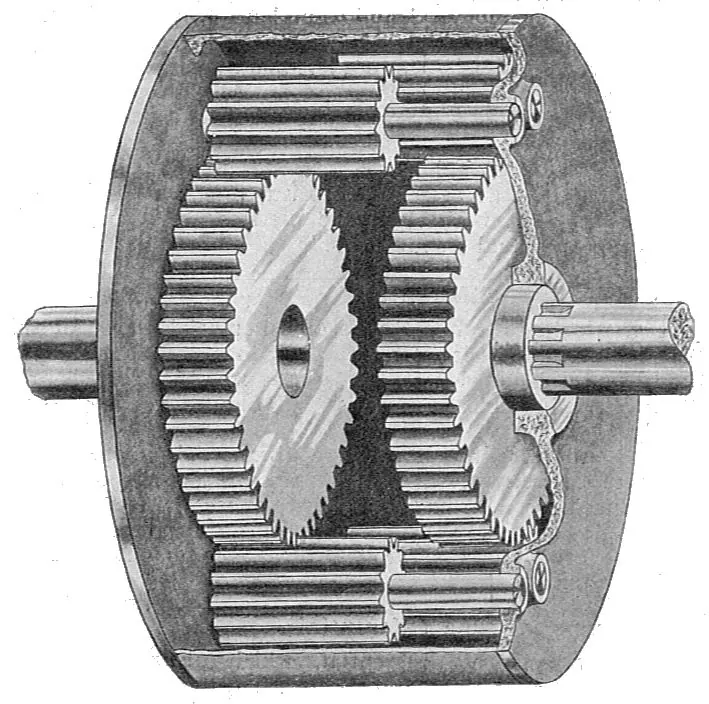
RC Differentials: Types, Diff Oil and Tuning
What an RC car's differential does, gear diffs, ball diffs and spools, which oil to use and how tuning it changes the way the car handles.
2 min read

RC cars
RC Monster Trucks: What They Are, Types and How to Choose One
RC monster trucks are the most versatile RC vehicles: giant tires, long-travel suspension and big jumps. Types, scales, electric vs nitro and well-known models.
3 min read
RC cars
How to Build an RC Car: What You Need, Step by Step
Kit or scratch build, components, tools, cost and the steps to build your own RC car and get it ready to drive.
4 min read
RC cars
How to Build an RC Car With Arduino
Learn how to build your own RC car with Arduino and have fun driving it by remote control. Don't miss this tutorial!
5 min read

RC cars
How to Build a Cardboard RC Car
Find out how to build your own cardboard RC car in this fun post from our blog. Don't miss it!
5 min read