How to Start a Nitro RC Car Without a Glow Plug Igniter (Without Burning the Plug)
Why a nitro engine needs a heated glow plug to start, how to heat it safely at 1.5 V without an igniter, what never to do, and the step-by-step starting procedure.
By Elite Radio Control teamUpdated 5 min read
Part of the guide: Nitro and gas RC cars
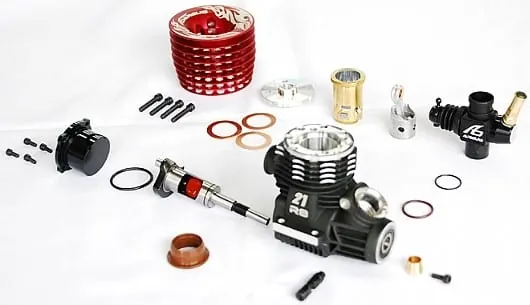
A nitro RC car doesn’t have a spark like a gas engine: it starts thanks to a glow plug whose filament has to be heated from outside. That’s what a glow plug igniter does. If you don’t have one, the real question isn’t “how do I start it without heating the plug” (you can’t from cold) but how to heat the plug another way without burning it out. If you’re new to these engines, our guide to nitro and gas RC cars gives you the big picture.
Why a nitro engine needs a hot glow plug
The glow plug has a small platinum filament. When current runs through it, it glows red and lights the mix of air and nitro fuel (methanol, nitromethane and oil). According to the O.S. Engines manual, ignition is started by applying a 1.5-volt power source; once the engine is running, the heat in the combustion chamber keeps the filament glowing and you can disconnect the power. That’s why you only need the igniter to start the engine.
Safe alternatives to a glow igniter
1. On-board or remote glow system
Some cars and kits have an electric start system that also heats the plug, or a remote “on-board glow” setup (common in racing) that heats the plug from a battery or a plug-in port on the chassis. If your car has one, use it exactly as the manual says: it’s the easiest and safest option.
2. A 1.5 V source with a glow plug clip
This is the traditional method, and the one engine manufacturers describe in their manuals. O.S. Engines lists the power source for heating the plug as either a large heavy-duty 1.5 V dry cell or a 2 V cell with a resistance that brings the voltage down to about 1.5 V. Many commercial igniters use a single rechargeable NiMH cell (about 1.2 V), which also works.
To do it right:
- Use a glow plug clip or connector with two leads: one touches the plug’s center terminal and the other the plug body or the engine ground. On cars the plug sits deep in the head, so you need a connector that reaches it; bare wires held by hand slip and can short out.
- Wire it to a single large 1.5 V cell (D size) in a holder with heavy enough wire. A small AA cell runs down fast, because a glow plug draws a few amps.
- Check the voltage your glow plug is rated for on the package or the manufacturer’s website.
- To test it, take the plug out, connect it and watch the filament: it should glow bright red or orange. If it glows white, it’s getting too much voltage and won’t last.
In practice this is building a homemade igniter, and it costs about as much as a real one.
What not to do
- Don’t connect a 9V battery, the receiver pack, a LiPo or a 12 V battery directly to the plug: the filament will burn out almost instantly.
- Don’t heat the plug with a lighter or torch: it won’t heat it in a useful way, and you’re bringing a flame close to highly flammable fuel.
- Don’t try to push-start or tow the car: without a hot plug it won’t fire, and you’re straining the drivetrain.
- Don’t leave the clip connected while you adjust the carburetor needles: the O.S. manual advises against it because it throws off the tuning.
Step-by-step starting procedure
- Transmitter and receiver: turn on the transmitter first, then the receiver. Check that the throttle servo sits at idle and that the failsafe brings the throttle to idle or brake if the signal is lost.
- Fuel: fill the tank with fresh nitro fuel of the type the engine maker recommends.
- Prime: get fuel to the carburetor. Depending on the car, use the primer button on the tank or briefly cover the exhaust outlet while you pull the starter. Watch the fuel move through the line and stop once it reaches the carb: overdo it and you’ll flood the engine.
- Car on a stand: wheels off the ground, nobody in front of it, safety glasses on.
- Heat the plug: connect your igniter or 1.5 V source.
- Start it: short, sharp pulls on the pull starter (never yank the cord all the way out), or use a starter box if your engine is set up for one.
- Once it fires: let it idle a few seconds, remove the heater and let the engine warm up before you give it full throttle.
If the engine is new, do the nitro engine break-in the manufacturer recommends first.
If it won’t start
- Flooded engine: the pull starter feels very stiff or fuel comes out of the exhaust. Remove the glow plug, turn the car upside down and pull the starter several times to clear the fuel (no flames nearby). Dry it off, reinstall the plug and try again without priming.
- Dead plug: if a loose plug doesn’t glow when you connect it, replace it. Also check the charge in your igniter or cell.
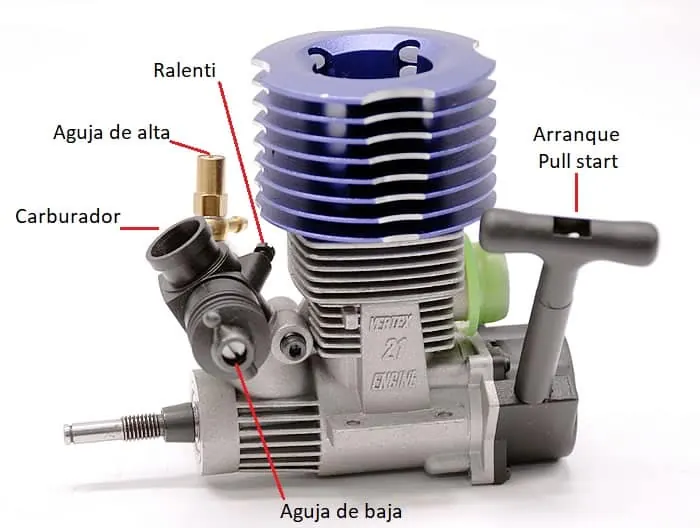
- Tuning: if it starts and dies when you pull the heater off, or won’t hold an idle, look at the needles. Start from the factory settings and follow our guide on how to tune a nitro RC engine.
- Air filter and maintenance: a dirty air filter or a worn plug makes starting hard. You’ll find the full checklist in our nitro RC car maintenance guide.
The real fix: get a glow igniter
Available on Amazon
The alternatives above will get you out of a jam, but a proper glow plug igniter with a rechargeable battery delivers the right voltage, fits the recessed plug in a car head, and many have a charge meter. If you run your car often, it’s worth it: look for a glow plug igniter for nitro RC and a spare plug of the type your engine maker recommends.
- Glow plug igniter for nitro RCCheck price
Frequently asked questions
Can you start a nitro engine without heating the glow plug?
Not from cold. A nitro engine has no spark: it fires because the glow plug filament is red hot. Only a very hot engine that was just shut off may restart on its own, which is why you need to be careful turning it over.
What voltage does a glow plug need?
Model glow plugs are designed for about 1.5 V. O.S. Engines calls for a large heavy-duty 1.5 V dry cell, or a 2 V cell with a resistance that brings the voltage down to about 1.5 V. Check your plug manufacturer's spec.
Can I use a 9V battery or the car's battery pack?
No. A 9V battery, the receiver pack, a LiPo or a 12 V battery connected directly to the glow plug will burn it out almost instantly.
Related guides
RC cars
Practical Tips on RC Nitro Fuel
Why handling your RC nitro fuel correctly matters, along with our best tips.
4 min read
RC cars
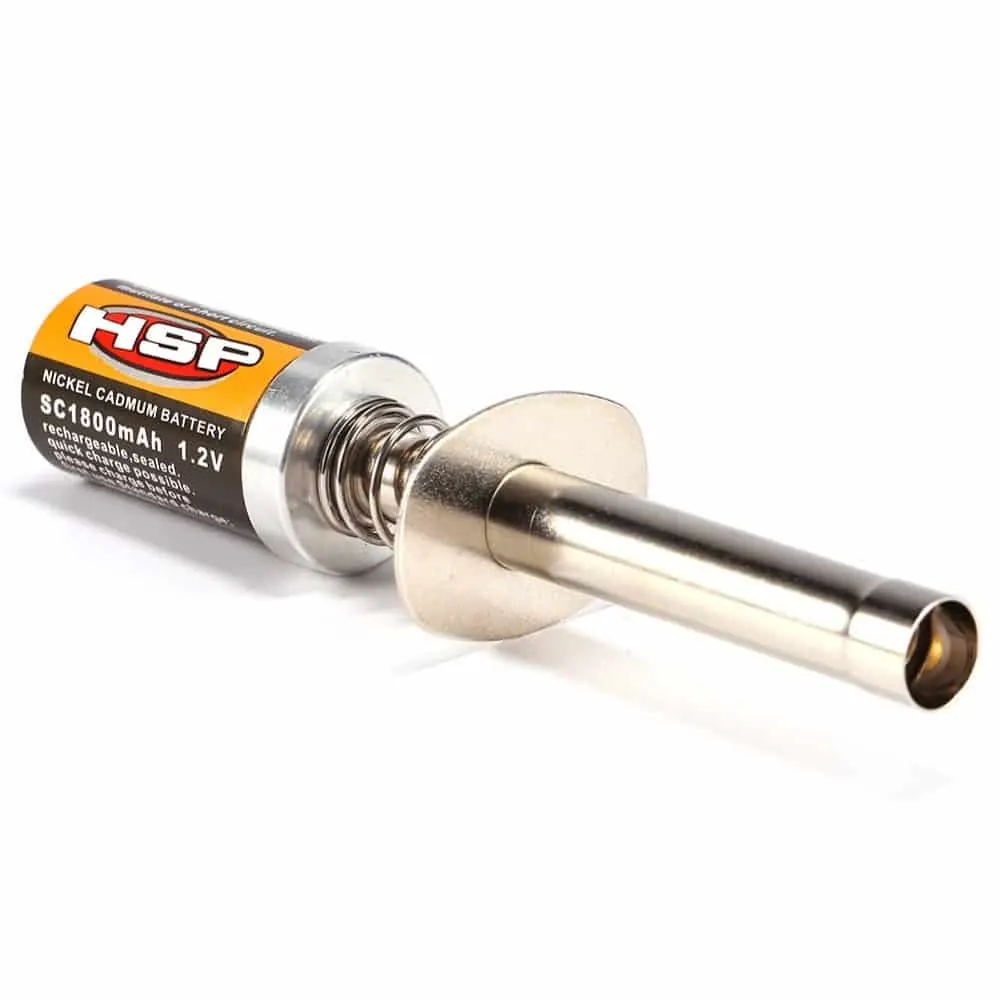
How Does an RC Glow Plug Igniter Work and What Should You Know?
A glow plug igniter is one of the most important accessories for running nitro RC cars: it's what lets you start the engine.
4 min read
RC cars
Nitro RC Car Maintenance: Your After-Run Routine
What to do after every session with a nitro RC car: empty the tank, clean it, look after the air filter, protect the engine with after-run oil, and check the glow plug, clutch and drivetrain.
3 min read
RC cars
How to Tune a Nitro RC Engine
Tune your nitro RC engine's carburetor with this step-by-step guide, packed with the best tips and none of the headaches.
18 min read